Berry Tahini Smoothie Bowl
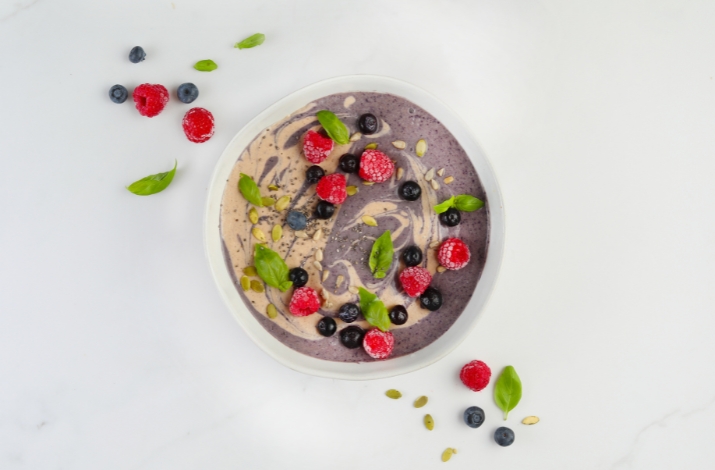
Recipe makes 2 servings
Ingredients:
For the smoothie bowl:
1 cup (244ml) unsweetened coconut or almond milk
1/3 cup (60g) coconut cream
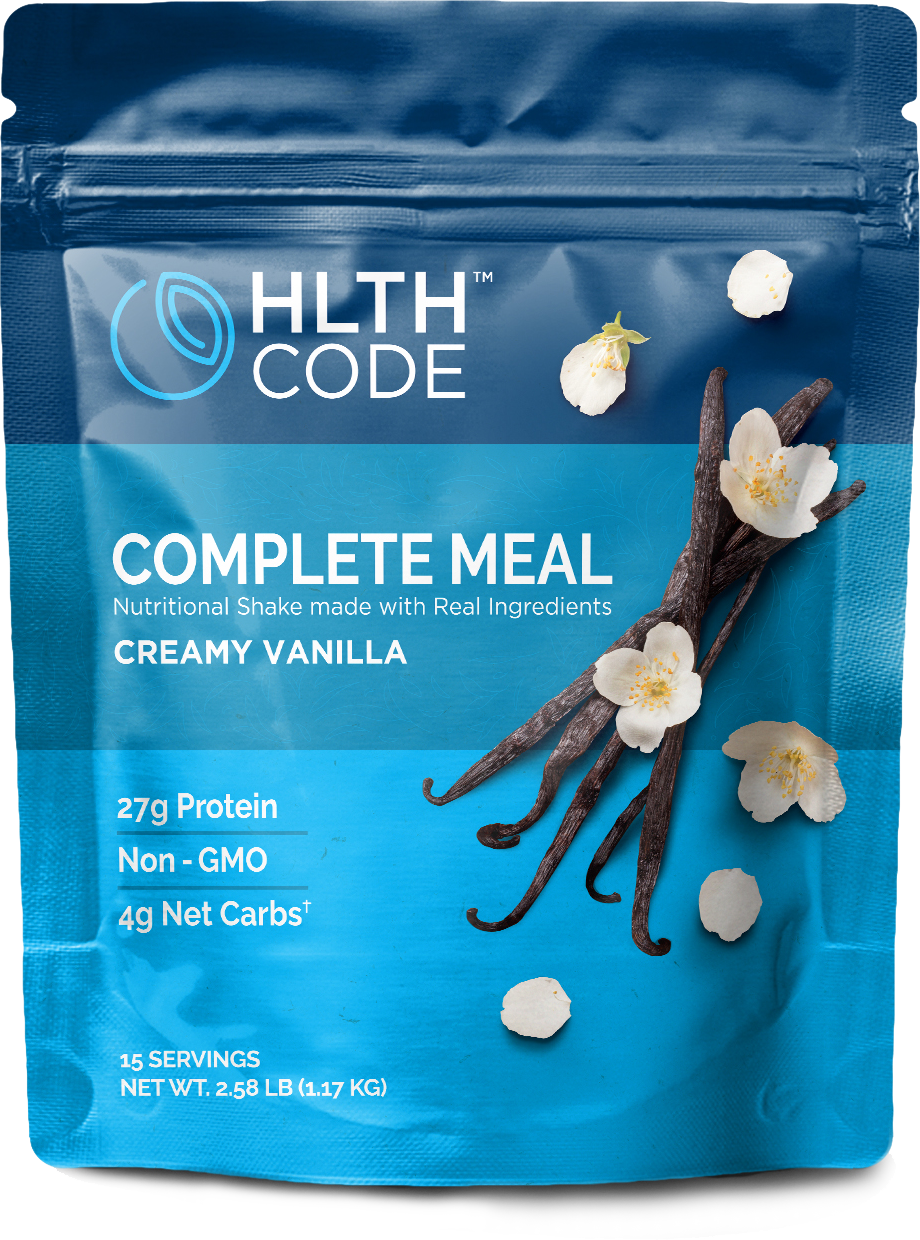
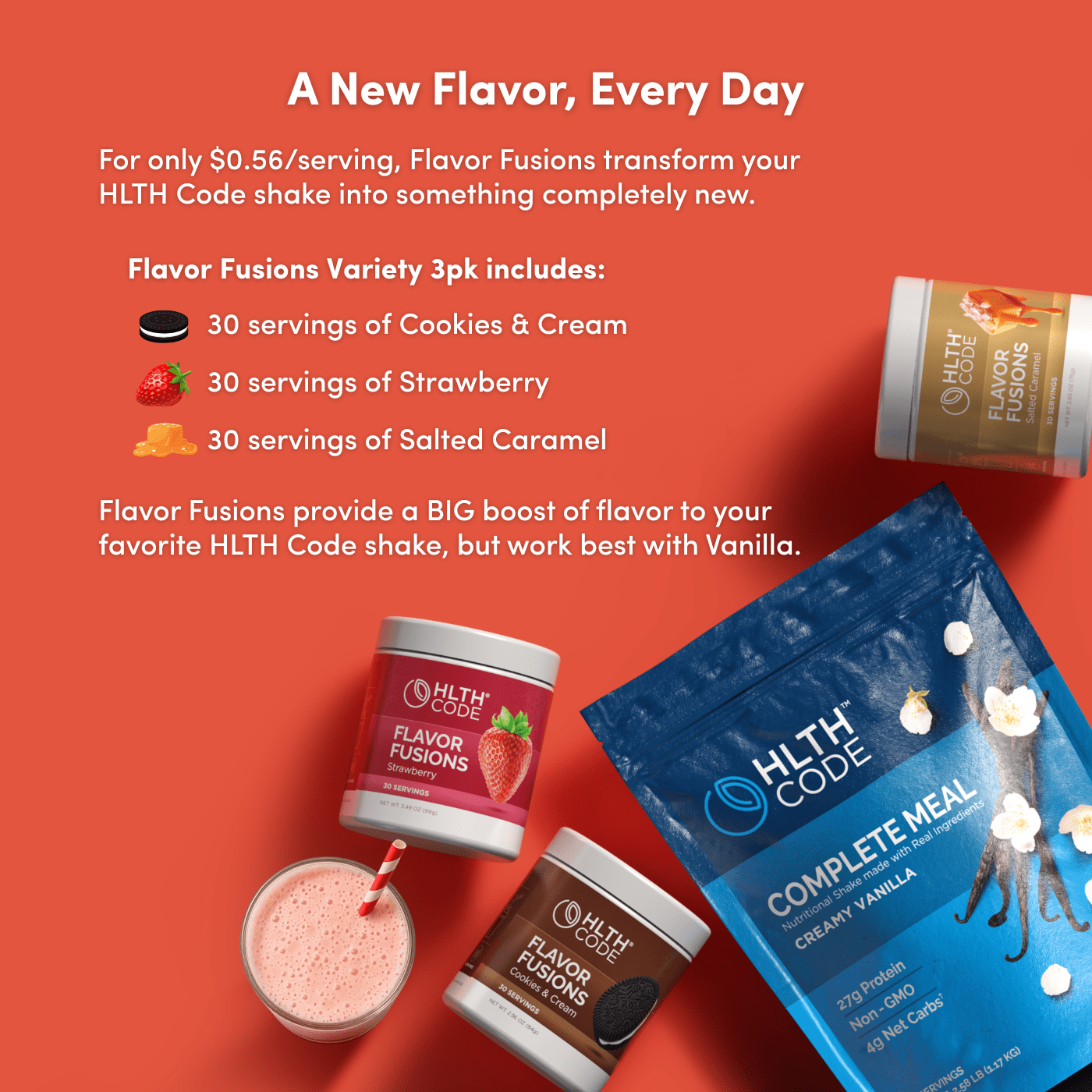
2 Tbsp (78g) HLTH Code Creamy Vanilla
1 cup (140g) frozen mixed berries (blueberries, raspberries, and strawberries work well)
2 Tbsp (30g) tahini
1 Tbsp (10g) chia seeds
1 Tbsp (14ml) MCT oil
2 Tbsp (2g) monk fruit sweetener, or to taste
1/2 tsp vanilla extract
1 cup (110g) ice cubes
For the toppings:
1/4 cup (31g) mixed fresh raspberries and blueberries
1 tsp (3g) chia seeds
2 Tbsp (14g) mixed pumpkin and sunflower seeds
1 Tbsp (16g) tahini
1 Tbsp (15ml) sugar-free maple syrup (optional)
Instructions:
Combine all smoothie ingredients in a high-powered blender and blend until the mixture is smooth and creamy; taste and adjust the sweetness if needed.
Pour the mixture into two serving bowls and sprinkle raspberries and seeds on top. Drizzle with tahini and, if desired, sugar-free maple syrup for an extra burst of sweetness and flavor.
Serve and enjoy the keto-friendly Berry Tahini Smoothie Bowls immediately.
Nutritional breakdown per serving (recipe makes 2) – without toppings
516 Calories
18.2g Protein
41.7g Fat
10.9g Fiber
22.2g Total Carbs
11.2g NET Carbs
Nutritional breakdown per serving (recipe makes 2) – with toppings
630 Calories
21.8g Protein
50.8g Fat
13.9g Fiber
28.2g Total Carbs
14.3g NET Carbs

Most Popular