Creme Brulee Shake
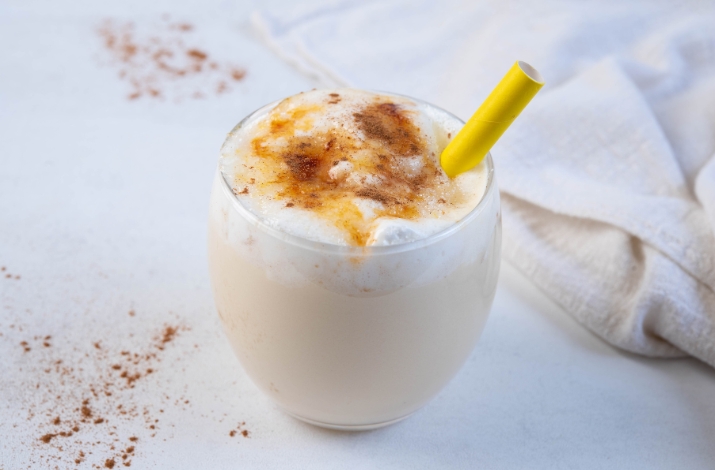
Recipes makes 1 serving
Ingredients:
For the Shake:
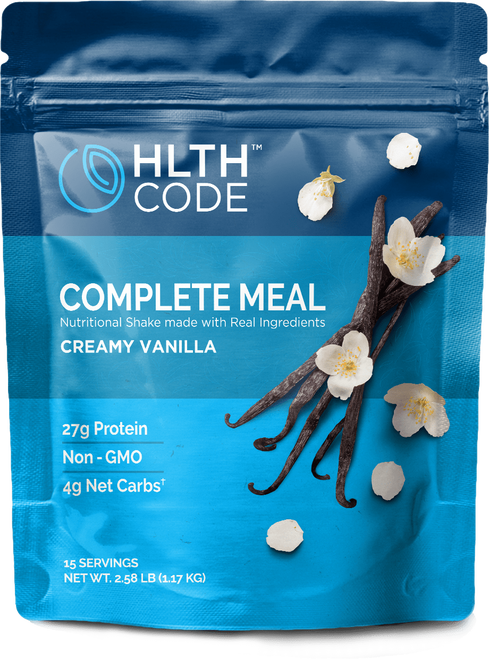
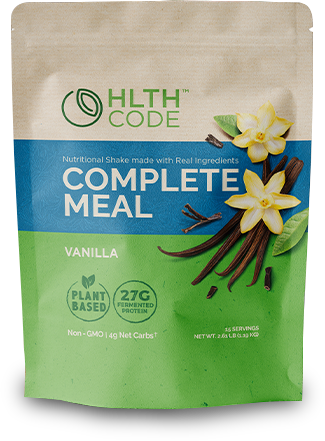
2 scoops HLTH Code Vanilla
1 cup unsweetened almond milk
½ cup ice cubes
1 tsp vanilla bean paste (or high-quality vanilla extract)
½ tsp caramel extract (optional)
1 Tbsp powdered monk fruit sweetener (or sugar-free sweetener of choice)
¼ tsp ground cinnamon
Pinch of salt
For the Caramelized Foam Topping:
1 Tbsp heavy cream
1 Tbsp unsweetened almond milk
½ Tbsp granulated allulose (for caramelizing)
Sprinkle of cinnamon or nutmeg
Instructions:
Blend HLTH Code Vanilla Powder, almond milk, ice, vanilla bean paste, caramel extract, monk fruit , cinnamon, and salt on high speed until thick and creamy. Taste and adjust sweetness if needed.
In a small bowl, whisk together heavy cream and almond milk until slightly frothy.
Pour the shake into a glass and gently spoon the almond milk mixture on top. Sprinkle the granulated sweetener evenly on top.
Using a kitchen torch, lightly caramelize the sweetener until golden and bubbly. If you don’t have a torch, place it under a broiler for 30-60 seconds.
Let it cool slightly to harden like a creme brulee topping.
Garnish with a sprinkle of cinnamon or nutmeg for an extra touch.
Nutritional breakdown per serving. Recipe makes 1 serving.
505 Calories
28g Protein
35g Fat
10g Fiber
34g Total Carbs
8g NET Carbs

Most Popular