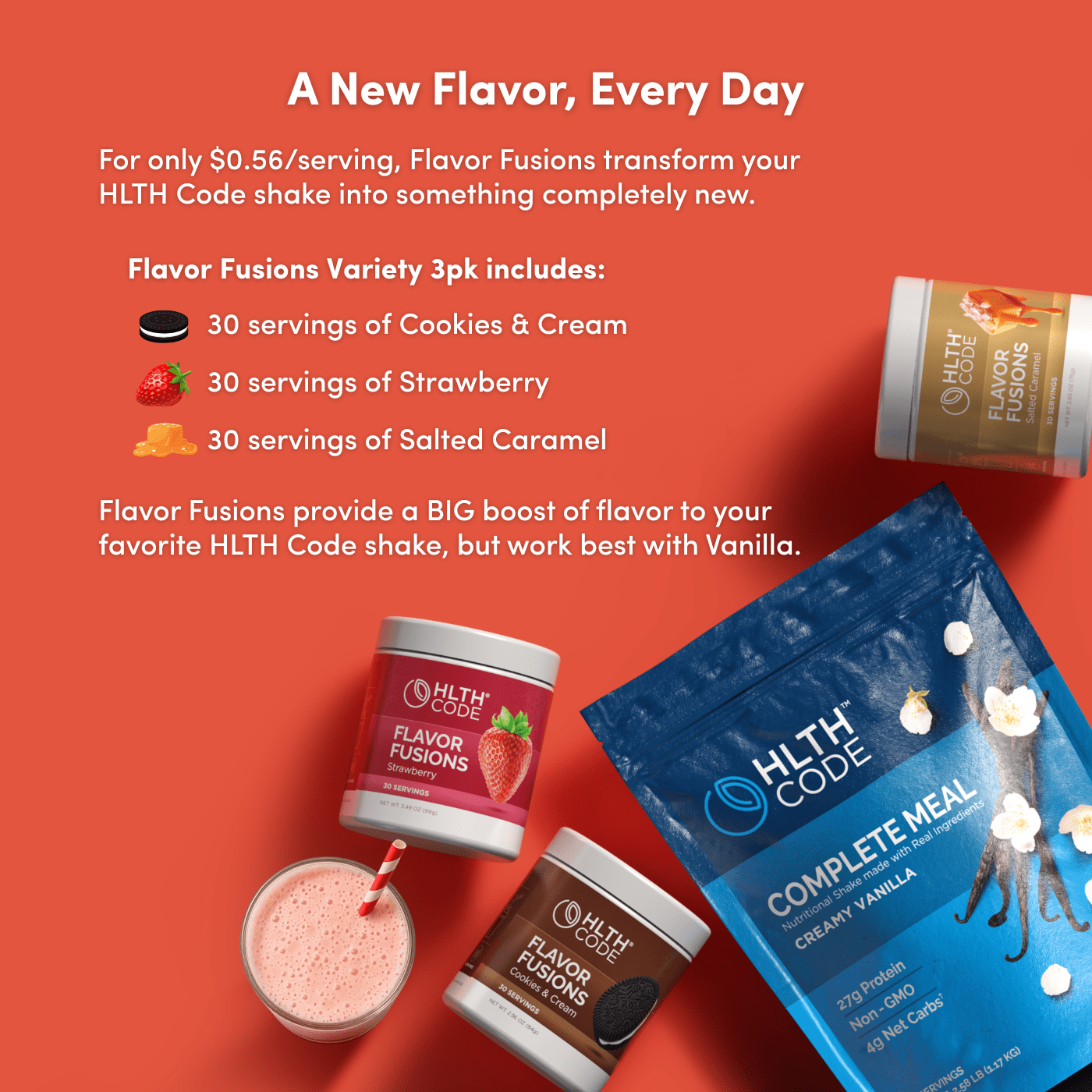
Crispy Salmon Cakes
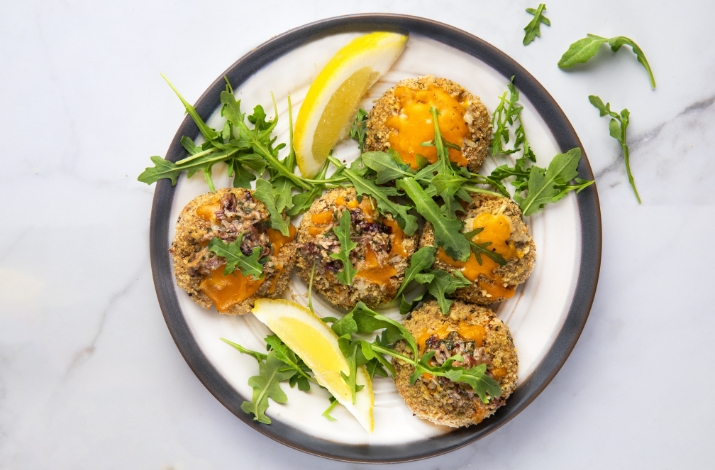
Makes 4 servings
Ingredients:
2 cups (491g) cooked salmon (canned or freshly cooked and flaked)
1/4 cup (28g) almond flour
1/4 cup (18g) finely chopped green onions
2 large (100g) eggs
2 Tbsp (28g) mayonnaise (sugar-free)
1 Tbsp (15g) Dijon mustard
1 Tbsp (15g) lemon juice
1 tsp (2.4g) Old Bay seasoning (or your favorite seafood seasoning)
1/2 tsp garlic powder
1/2 tsp onion powder
Salt and pepper to taste
2 Tbsp (28g) avocado oil or coconut oil for frying
Lemon wedges for serving
Instructions:
Combine the flaked salmon, almond flour, and chopped green onions in a large bowl and mix well.
Whisk together the eggs, mayonnaise, Dijon mustard, lemon juice, Old Bay seasoning, garlic powder, onion powder, salt, and pepper in a separate bowl.
Pour the egg mixture over the salmon mixture and gently stir until everything is well combined. The mixture should hold together when pressed. If needed, add a little extra almond flour,
Form the mixture into eight (8) equal-sized patties and place them on a large plate or baking sheet lined with parchment paper.
Heat the avocado oil in a large skillet over medium heat; carefully add the salmon patties. Cook for about 3 to 4 minutes on each side, or until they are golden brown and crispy.
Place the cooked cakes on a plate lined with paper towels to absorb any excess oil.
Serve them with your favorite keto-friendly dipping sauce or a side salad for a complete and satisfying meal.
Nutritional breakdown per serving (recipe makes 4 servings)
415 Calories
36.1g Protein
28.4g Fat
1.0g Fiber
2.4g Total Carbs
1.4g NET Carbs

Most Popular