How Protein Timing and Distribution Improve Metabolic Health
Introduction
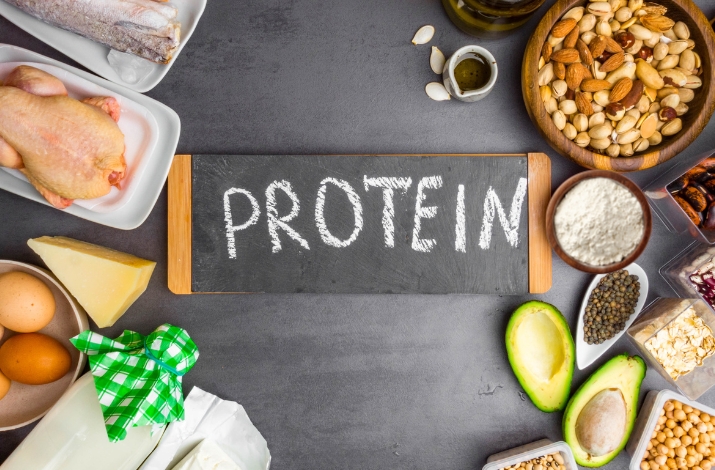
Protein isn’t just for bodybuilders. It’s a crucial macronutrient with profound effects on metabolism, weight regulation, glucose control, and muscle maintenance. But emerging research suggests how and when you consume protein, not just how much, may influence long-term health outcomes.
For individuals following a low-carb or ketogenic diet, understanding protein timing and distribution is especially important. With carbs restricted, protein and fat become the dominant sources of fuel and structure. Done strategically, protein consumption can amplify the metabolic benefits of low-carb eating, support lean mass retention, and improve insulin sensitivity.
Why Protein Timing Matters
Muscle Protein Synthesis (MPS)
Muscle protein synthesis is the process your body uses to build and repair muscle tissue. It is stimulated by dietary protein intake, especially by amino acids like leucine. However, MPS doesn’t remain elevated indefinitely after eating; it peaks and then returns to baseline after a few hours, even if amino acids remain in the bloodstream[1].
This indicates that protein should be distributed throughout the day in sufficient doses to optimize muscle maintenance-especially important as we age or lose weight on low-carb diets.
The Anabolic Threshold
Studies show that to maximally stimulate MPS, each meal should contain about 2.5–3 grams of leucine and approximately 25–35 grams of high-quality protein, depending on age and body size[2]. Consuming too little protein in a meal (e.g., a light breakfast) may not cross this “anabolic threshold,” leading to missed opportunities for muscle building.
Protein Timing and Metabolic Health
- Improved Insulin Sensitivity
Protein, especially when replacing carbohydrates, can improve insulin sensitivity. Unlike carbs, protein causes a smaller rise in insulin and is less likely to result in blood sugar spikes. This is particularly relevant for people with insulin resistance or type 2 diabetes.
One study showed that higher-protein diets led to significant improvements in insulin sensitivity, independent of weight loss[3]. When paired with carbohydrate restriction, the results are even more powerful, as demonstrated in low-carb intervention trials.
- Glucose Control
In people with type 2 diabetes, consuming protein before carbohydrates in a meal can blunt post-meal blood sugar spikes. A 2015 study published in Diabetes Care found that when participants ate protein and vegetables before carbohydrates, their post-meal glucose was reduced by 29% compared to when carbs were eaten first[4].
This supports a simple, evidence-backed habit: prioritize protein and fat early in the meal, and save carbs (if any) for last.
- Weight Management
Protein has a high thermic effect of food (TEF)-meaning it burns more calories during digestion than fats or carbohydrates. It also enhances satiety, reduces cravings, and helps maintain lean mass during weight loss[5].
When protein intake is evenly distributed across meals, studies show greater lean mass retention and improved body composition compared to diets with a skewed intake pattern[6].
Protein Distribution: Why Even Spacing Helps
Traditional eating patterns often include a small-protein breakfast, modest lunch, and protein-heavy dinner. This may not be ideal for preserving muscle mass, especially in older adults or those trying to lose weight.
Research from the University of Texas showed that distributing protein more evenly across meals resulted in higher 24-hour muscle protein synthesis compared to the same total protein consumed mostly at dinner[7].
Sample optimal distribution (for 120g/day goal):
- Breakfast: 30g
- Lunch: 30–40g
- Dinner: 40–50g

Special Considerations for Low-Carb and Keto Dieters
- Gluconeogenesis Concerns Are Often Overblown
Some in the keto community fear too much protein will raise blood glucose via gluconeogenesis-the process of creating glucose from non-carb sources. However, research shows this process is demand-driven, not supply-driven[8]. In other words, excess protein doesn’t automatically convert to sugar.
In fact, higher-protein ketogenic diets have been shown to be just as effective, if not more so, for weight loss and blood sugar control, without kicking individuals out of ketosis[9].
- Prioritize Protein for Muscle Preservation
Low-carb diets often lead to rapid weight loss, but not all of it is fat. Without sufficient protein and resistance training, muscle mass can be lost, especially during calorie restriction. Prioritizing high-quality, leucine-rich proteins is essential.
Research suggest that keto dieters should aim for 1.2–2.0g of protein per kilogram of body weight, with higher ranges for active individuals or those in a caloric deficit[10].
Timing Around Exercise
Pre-Workout Protein
Consuming protein before exercise has been shown to increase amino acid delivery to muscles, support muscle repair, and even improve performance[11]. A light protein-based meal or shake 1–2 hours before exercise is ideal.
Post-Workout Protein
There’s a well-known “anabolic window” after exercise, during which protein consumption boosts muscle repair and growth. While this window is more flexible than once thought, consuming 20–40g of protein within a few hours post-exercise remains a smart strategy for maximizing recovery[12].
What About Fasting?
Intermittent fasting (IF) and time-restricted eating are popular in low-carb and keto circles. While IF has metabolic benefits, some fasting windows compress eating into 6 hours or less, making it hard to evenly distribute protein.
If practicing IF, make sure to:
- Front-load protein into your first meal
- Avoid breaking your fast with only fat or carbs
- Ensure your total daily protein intake is still met
Skipping meals without compensating for missed protein may lead to muscle loss over time.
Best Sources of High-Quality Protein
- Animal-based proteins: eggs, meat, poultry, fish, dairy – all rich in leucine and highly bioavailable
- Whey protein: fast-absorbing, ideal post-workout
- Collagen (with a complete protein source): supports skin, joints, and connective tissue
Pro tip: When relying on plant protein, increase total intake, combine different types of plant protein for a complete amino acid profile and use fermented plant sources for dramatically improved bioavailability.
Summary
Protein timing and distribution may be the missing piece in your metabolic health strategy, especially on a low-carb or ketogenic diet. By consuming adequate protein at regular intervals, you can:
- Support insulin sensitivity
- Maintain and build lean muscle
- Control blood sugar spikes
- Enhance satiety and weight loss
- Optimize workout recovery
In low-carb living, protein isn’t just fuel-it’s a foundation.
FAQs
Q1: How much protein should I eat on a low-carb diet?
A: Aim for 1.2–2.0g of protein per kg of body weight, depending on your activity level and goals.
Q2: Can too much protein kick me out of ketosis?
A: Not likely. Research shows that gluconeogenesis is demand-driven, and higher protein intakes still support ketosis in most people.
Q3: Is it better to eat protein before or after workouts?
A: Both have benefits. Pre-workout protein supports performance; post-workout helps recovery. Ideally, consume protein within 1–3 hours of training.
Q4: Does protein cause an insulin spike?
A: Yes, but it’s smaller and more gradual than carbohydrates, especially when consumed with healthy fats. For most people, it won’t cause big glucose increases and actually improves insulin sensitivity.
Q5: What happens if I skip meals and miss protein?
A: Chronic protein under-consumption can lead to muscle loss, reduced metabolic rate, and impaired recovery. If possible, spread protein evenly across meals.
References
- Atherton PJ, Smith K. Muscle protein synthesis in response to nutrition and exercise. J Physiol. 2012;590(Pt 5):1049–1057.
- Norton LE, Layman DK. Leucine regulates translation initiation of protein synthesis in skeletal muscle after exercise. J Nutr. 2006;136(2):533S–537S.
- Gannon MC, Nuttall FQ. Effect of a high-protein, low-carbohydrate diet on blood glucose control in people with type 2 diabetes. Diabetes. 2004;53(9):2375–2382.
- Shukla AP, Iliescu RG, Thomas CE, Aronne LJ. Food order has a significant impact on postprandial glucose and insulin levels. Diabetes Care. 2015;38(7):e98–e99.
- Leidy HJ, et al. The role of protein in weight loss and maintenance. Am J Clin Nutr. 2015;101(6):1320S–1329S.
- Mamerow MM, et al. Dietary protein distribution positively influences 24-h muscle protein synthesis in healthy adults. J Nutr. 2014;144(6):876–880.
- Paddon-Jones D, et al. Protein intake and muscle health in old age. Am J Clin Nutr. 2008;87(5):1562S–1566S.
- Bisschop PH, et al. The effects of carbohydrate variation in isocaloric diets on gluconeogenesis in healthy men. Am J Clin Nutr. 2000;72(4):960–967.
- McKenzie AL, et al. A novel intervention including individualized nutritional recommendations reduces hemoglobin A1c level, medication use, and weight in type 2 diabetes. JMIR Diabetes. 2017;2(1):e5.
- Volek JS, Phinney SD. The Art and Science of Low Carbohydrate Living. Beyond Obesity LLC; 2011.
- Tipton KD, Wolfe RR. Exercise, protein metabolism, and muscle growth. Int J Sport Nutr Exerc Metab. 2001;11(1):109–132.
- Schoenfeld BJ, Aragon AA, Krieger JW. The effect of protein timing on muscle strength and hypertrophy: a meta-analysis. J Int Soc Sports Nutr. 2013;10(1):53.
This article is for informational and educational purposes only. It is not, nor is it intended to be substitute for professional medical advice, diagnosis, or treatment and should never be relied upon for specific medical advice.

Most Popular