Classic Keto Meatloaf
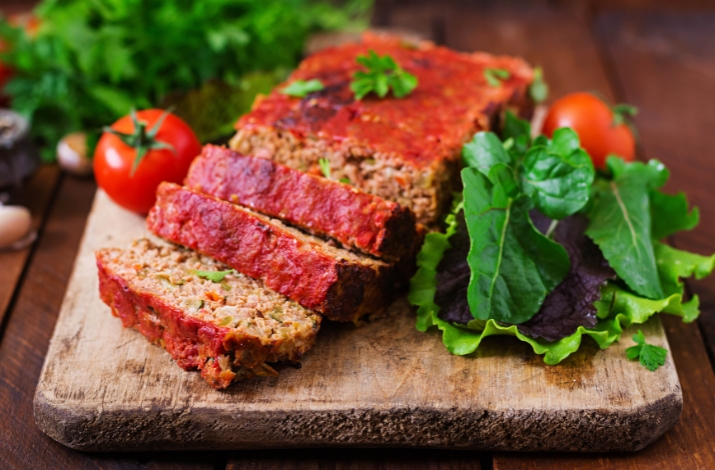
Recipe makes 6 servings
Ingredients:
1 pound (455g) ground beef (80/20 fat ratio recommended)
8 ounces (225g) ground pork
½ cup almond flour
¼ cup grated Parmesan cheese
1 small onion, finely chopped
2 cloves garlic, minced
1 large egg, beaten
¼ cup unsweetened ketchup
2 Tbsp Worcestershire sauce
1 tsp dried oregano
1 tsp smoked paprika
1 tsp salt
½ tsp black pepper
For the Glaze:
¼ cup unsweetened ketchup
1 tsp Dijon mustard
1 tsp apple cider vinegar
Instructions:
Preheat your oven to 350°F (180°C). Line a loaf pan with parchment paper or lightly grease it.
In a large mixing bowl, combine the ground beef, ground pork, almond flour, Parmesan cheese, onion, garlic, egg, ketchup, Worcestershire sauce, oregano, smoked paprika, salt, and black pepper.
Mix everything together gently with your hands or a spatula until just combined. Avoid overmixing to keep the meatloaf tender.
Transfer the mixture to the prepared loaf pan and press it down evenly. Alternatively, shape it into a loaf on a baking tray lined with parchment paper.
In a small bowl, mix the ketchup, Dijon mustard, and apple cider vinegar. Spread this glaze evenly over the top of the meatloaf.
Bake in the preheated oven for 50-60 minutes, or until fully cooked through.
Remove the meatloaf from the oven and let it rest for 10 minutes before slicing. This helps retain its juices.
Nutritional breakdown per serving (recipe makes 6 servings)
379 Calories
35.3g Protein
23.3g Fat
1.3g Fiber
6.3g Total Carbs
4.8g NET Carbs


Most Popular