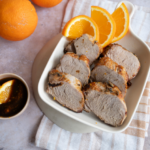
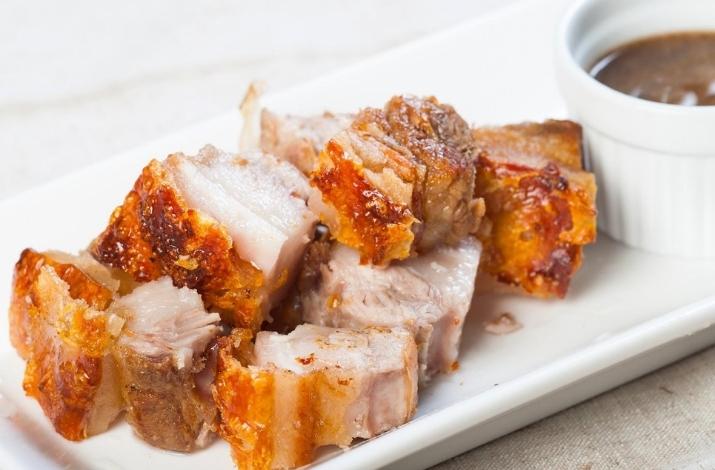
Fried Pork Belly
Preparation time: 15 minutes
Cooking time: 30 minutes
Serve: 4
Ingredients:
1 lb. pork belly, with rind
1 ½ teaspoon salt
¼ teaspoon freshly ground black pepper
¼ teaspoon five-spice powder
2 tablespoons olive oil
Liver sauce (Optional):
0.25lb. pork liver
1 tablespoon bacon fat
2 cloves garlic, minced
1 teaspoon onion powder
½ cup water
10 drops Stevia
3 tablespoon almond meal
2 tablespoons balsamic vinegar
Salt and pepper, to taste
Instructions:
Cut pork belly into 4 strips. Scrape any impurities and rinse the pork belly under cold water.
Bring a pot of water to a boil.
Blanch pork belly, skin side up for 5 minutes. flip the pork and continue to blanche for an additional 5 minutes.
Remove the pork with a slotted spoon and arrange onto paper towels. Peirce the skin with a fork. Let the belly drain.
Rub the pork with salt, black pepper, and five spice powder.
Heat olive oil in a skillet. Add pork, belly side and cook for 5 minutes, flip the pork, skin side and continue to cook for 5 minutes. cut the pork into small pieces and place aside.
Make the liver sauce; place liver into a food processor. Process until smooth.
Heat bacon fat in a skillet. Add garlic and cook until fragrant. Add liver paste, balsamic vinegar, and stevia. Stir in almond meal, and water. Bring to a boil. Reduce heat and simmer 5-6 minutes or until thickened.
Puree the sauce with immersion blender until completely smooth. Adjust the seasoning and serve with pork belly.
Nutritional info per serving:
Calories 996
Total Fat 99.7g
Total Carbohydrate 2.2g
Dietary Fiber 0.6g
Total Sugars 0.5g
Protein 21.3g


Most Popular