Mini Lemon Protein Cakes

Recipes makes 6 servings.
For the Cakes:
½ cup almond flour
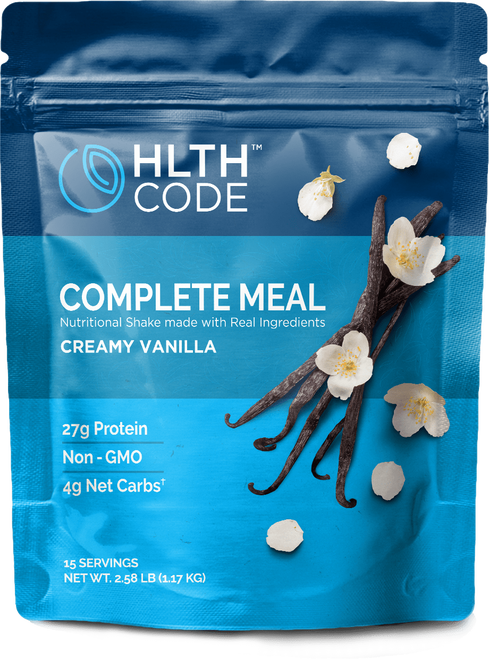
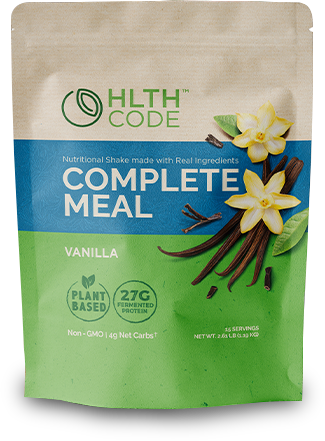
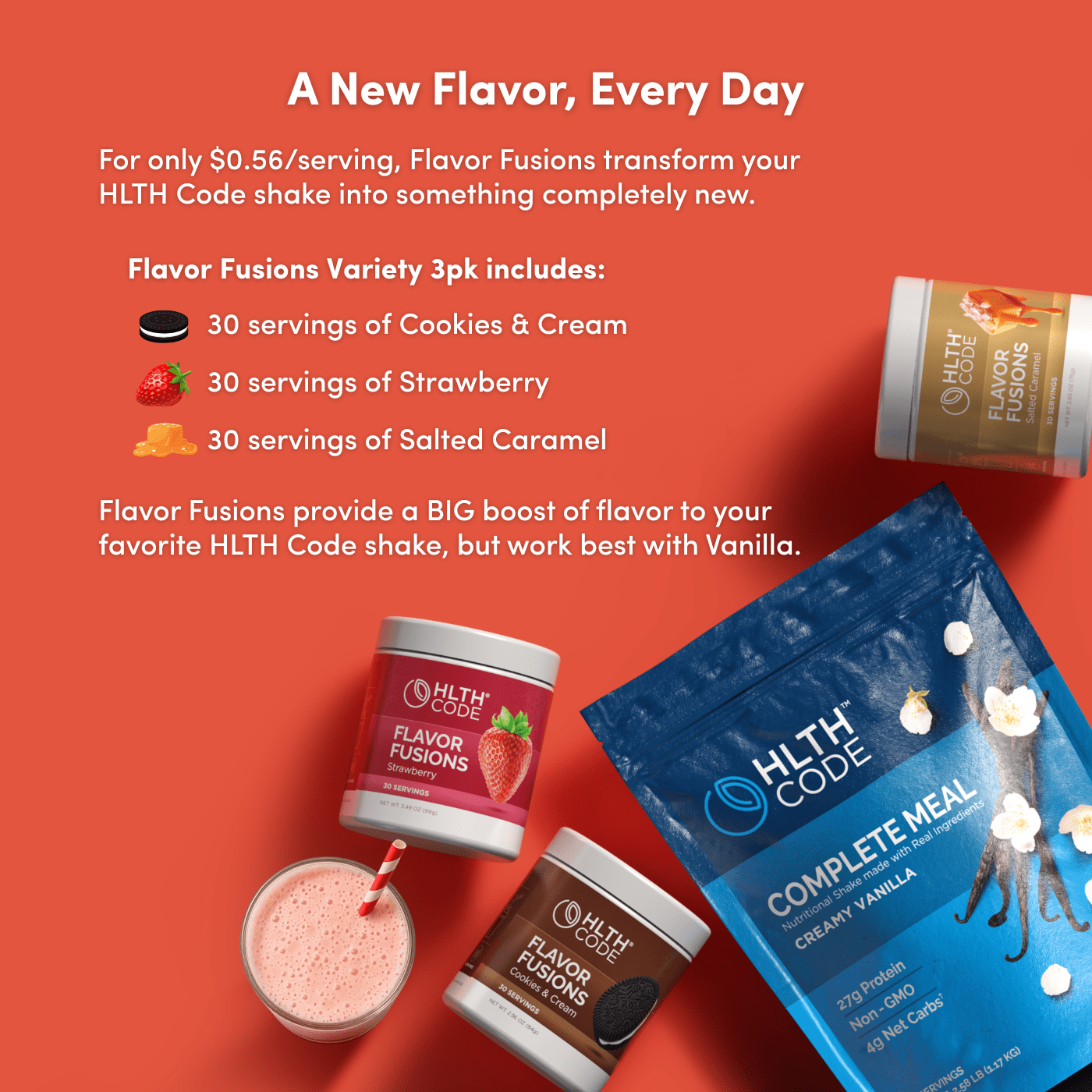
2 scoops HLTH Code Vanilla
¼ cup coconut flour
¼ cup powdered allulose
1 teaspoon baking powder
¼ teaspoon baking soda
¼ teaspoon salt
¼ cup Greek yogurt
¼ cup unsweetened almond milk
3 large eggs
2 Tablespoons fresh lemon juice
Zest of 1 lemon
1 teaspoon vanilla extract
For the Lemon Glaze:
¼ cup powdered allulose
1-2 Tablespoons fresh lemon juice
Lemon zest, for garnish (optional)
Instructions:
Preheat your oven to 350°F (175°C). Grease or line a muffin tin with paper liners to prepare for the mini cakes.
In a large bowl, whisk together the almond flour, HLTH Code Vanilla, coconut flour, allulose, baking powder, baking soda, and salt.
In a separate bowl, whisk together the Greek yogurt, almond milk, eggs, fresh lemon juice, lemon zest, and vanilla extract until smooth.
Gradually add the wet ingredients to the dry ingredients, stirring until well combined. The batter should be thick but pourable.
Divide the batter evenly among the prepared muffin cups, filling each about 2/3 full.
Bake in the preheated oven for 15-18 minutes, or until a toothpick inserted into the center of a cake comes out clean.
Allow the mini cakes to cool in the tin for 5 minutes before transferring them to a wire rack to cool completely.
For the glaze: In a small bowl, whisk together the powdered sweetener and fresh lemon juice until smooth and slightly thickened. Adjust the consistency by adding more lemon juice if necessary.
Once the mini cakes are completely cool, drizzle the lemon glaze over the top of each cake.
Garnish with lemon slices or extra lemon zest if desired.
Nutritional breakdown (Recipe makes 6 servings)
193 Calories
11.3g Protein
12.6g Fat
4.1g Fiber
25.5g Total Carbs
4.1g NET Carbs

Most Popular