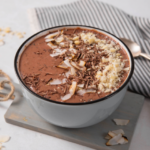
Strawberry Coconut Smoothie Bowl
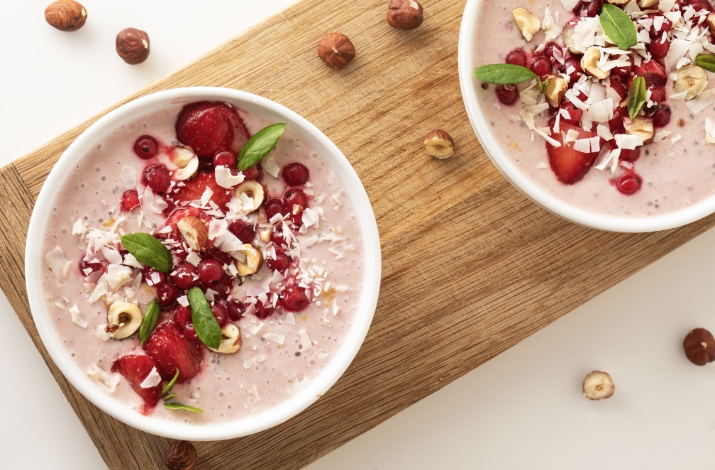
Recipe makes 2 servings
Ingredients:
For the smoothie bowl
1 cup (221g) frozen unsweetened strawberries
1/2 cup (120ml) full-fat unsweetened coconut milk
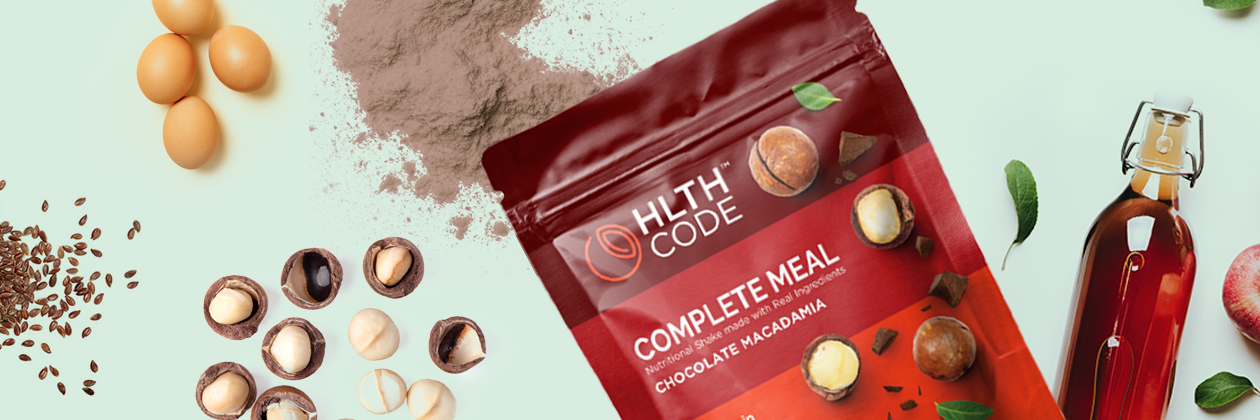
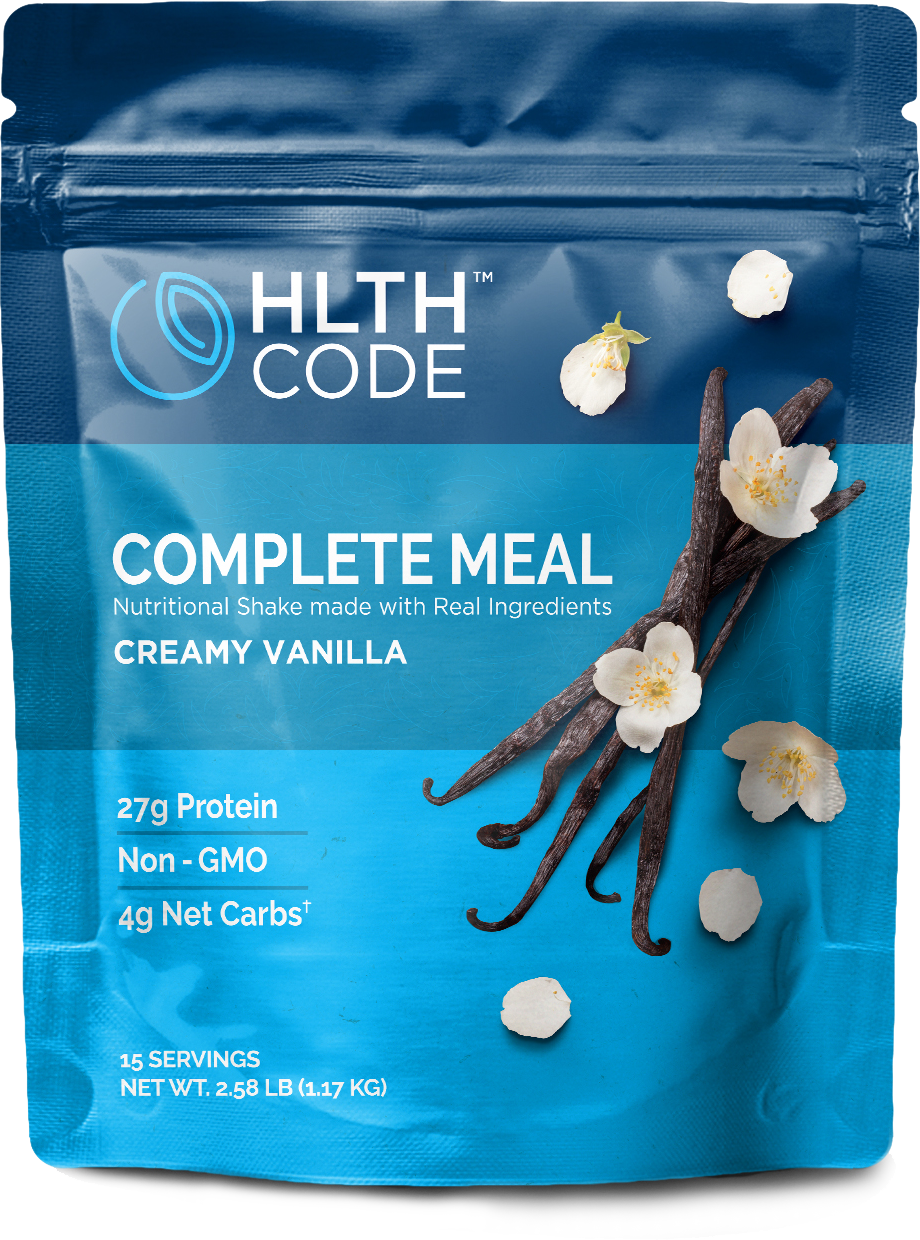
2 scoops (78g) HLTH Code Creamy Vanilla
1 cup (240ml) unsweetened almond milk (or milk alternative of choice)
1 Tbsp (15g) sugar-free hazelnut butter or peanut butter
1 Tbsp (10g) hemp seeds
1 Tbsp (g) unsweetened shredded coconut
1 tsp (4g) vanilla extract
2 Tbsp (2g) monk fruit sweetener, adjust to taste
A pinch of salt
1 cup (111g) ice cubes
Toppings
2 Tbsp (15g) chopped hazelnuts
2 Tbsp (10g) shredded coconut
1/3 cup (76g) fresh sliced strawberries
Instructions:
In a blender, combine the smoothie bowl ingredients and blend until you have a smooth and creamy mixture. Taste the smoothie and adjust the sweetness to your liking by adding more sweetener if needed.
Pour the smoothie mixture into two serving bowls and top with chopped hazelnuts, sliced strawberries, and a sprinkle of unsweetened shredded coconut for extra flavor and texture.
This smoothie bowl is packed with nutritious ingredients and is a perfect breakfast or snack option to keep you satisfied and energized throughout the day.
Enjoy your delightful Strawberry Coconut Smoothie Bowl!
Nutritional breakdown per serving (recipe makes 2)
30.8g Fat
14.5g NET Carbs

Most Popular