5 Supplements for Weight Loss a Dietitian Recommends
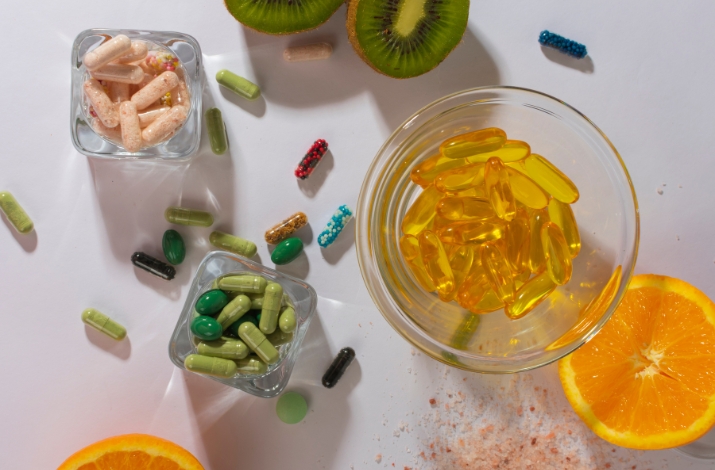
As a Registered Dietitian who specializes in weight loss, I see the direct benefits of adding supplements to a whole-food diet for supporting someone’s weight-loss journey. After years of working with women on metabolic health and weight loss, and after going through my own 60-lb weight-loss journey, I often use and recommend several well-researched supplements. These are the ones I actually take and why I take them.
Let’s start with one of my favorites, Alpha-Lipoic Acid (ALA). This is one of my top recommendations as it is a naturally occurring antioxidant, found in small amounts in spinach, broccoli, and organ meats. Three separate meta-analyses of randomized controlled trials have confirmed the same finding: ALA produces statistically significant weight loss compared with placebo. One 24-week double-blind trial using 600 mg/day of R-ALA (the more bioactive form) showed that women lost about 5% of their body weight without changes in diet or exercise. A 2025 meta-analysis of 63 RCTs confirmed it significantly reduces insulin resistance, fasting glucose, fat mass, waist circumference, and triglycerides. ALA works by activating AMPK, the same cellular energy sensor that exercise and metformin activate. This may enhance fatty acid oxidation and improve glucose uptake into skeletal muscle. It also helps suppress fat production in the liver (1-8).
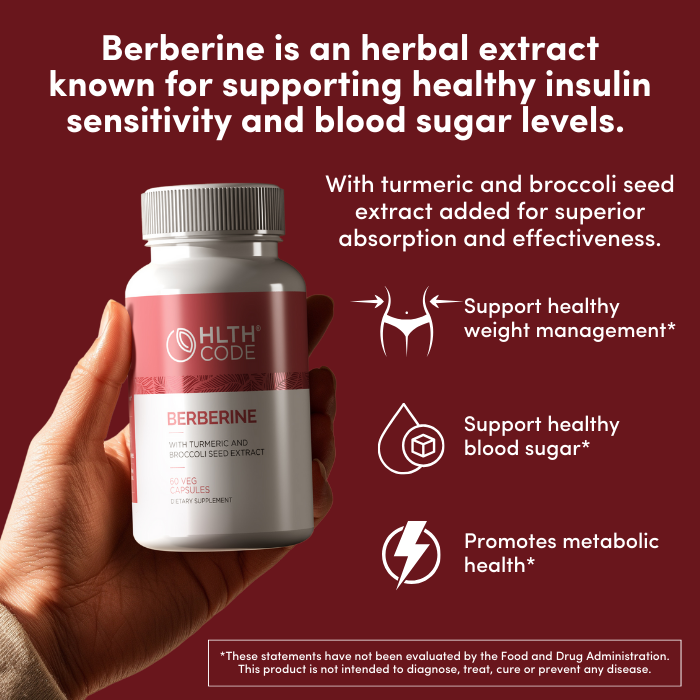
Dihydroberberine is next; you’ve likely heard it described as nature’s metformin. The nickname is earned as berberine acts on many of the same pathways as the prescription drug, and the clinical data backs this up. A 2025 meta-analysis of 23 RCTs found it significantly reduced body weight, BMI, waist circumference, fasting glucose, fasting insulin, and HOMA-IR. A separate meta-analysis of 20 RCTs (1,761 participants) showed it lowered fasting glucose by 0.52 mmol/L, HbA1c by 4.48 mmol/mol, fasting insulin by 2.36 mU/L, and HOMA-IR by 0.85. Dihydroberberine is the reduced form that has better oral absorption than standard berberine. Those last two numbers, fasting insulin and HOMA-IR, are the ones I care most about for my clients. That’s not just “lower blood sugar.” That’s your body becoming measurably more insulin-sensitive, which changes the entire fat-storage equation. Another interesting fact about berberine is that it actively reshapes your gut microbiome by promoting butyrate-producing bacteria that strengthen your intestinal barrier (8-14).
Cinnamon Extract is the third supplement that is worth considering in a weight-loss stack. This is not the same cinnamon found in your cabinet; it is water-extracted Ceylon cinnamon, processed to remove coumarin (the compound in common Cassia cinnamon that can be hard on the liver at high doses). The data here is genuinely impressive. A 2025 meta-analysis of 28 RCTs in over 3,000 participants found cinnamon reduced fasting blood glucose by over 15 mg/dL, post-meal glucose spikes by nearly 40 mg/dL, and HbA1c by 0.56%. A separate meta-analysis found it also reduced body weight, BMI, waist circumference, and fat mass, with the strongest effects at 2+ grams daily for at least 12 weeks. Cinnamon inhibits the enzymes that break down starches, slowing carb absorption and blunting the insulin surge. This is a great add for women already eating low-carb but still seeing glucose spikes (15-17).
Chromium Picolinate is the one that tends to surprise people. While the weight-loss data is modest, the research on cravings is worth diving into. A double-blind placebo-controlled trial in overweight women with carb cravings found that 1,000 mcg of chromium picolinate significantly reduced food intake, hunger, and fat cravings compared to placebo. It’s thought that, because it acts on insulin receptor signaling and the serotonin and dopamine pathways, it helps reduce the desire to overeat. This one can be particularly helpful if you’re finding yourself always heading to the fridge at night (18-21).
Lastly, let’s go over myo-inositol. This one is so helpful for ladies with PCOS or anyone dealing with hormonal weight gain tied to insulin resistance. Inositol is a B-vitamin family member that acts as a second messenger in insulin signaling. In women with PCOS, there’s often a deficiency in inositol availability in tissues, which contributes directly to the insulin resistance that makes weight loss feel impossible no matter what you eat. A 2025 umbrella review of 13 meta-analyses found it significantly improved HOMA-IR, fasting insulin, triglycerides, and hormonal parameters in women with PCOS. Myo-inositol lowers HOMA-IR, lowers fasting insulin, lowers triglycerides, and helps normalize testosterone, SHBG, AMH, and free androgen index (22-24).
Supplements can be powerful additions to a weight-loss diet, especially when you understand that supplements can change the environment that your metabolism lives in. You can increase your insulin sensitivity, achieve steadier blood sugar, reduce inflammation, curb cravings, and improve your hormonal signaling. When you have all of these things working in your favor. I take all five of these. Not because I’m hoping for a shortcut, I lost 60 lbs the hard way, and I know there isn’t one, but because after years of working with women on their metabolic health, and going through my own journey, I’ve come to see these as legitimate tools that support the bigger picture.
References
-
-
- Kucukgoncu, S., Zhou, E., Lucas, K. B., & Tek, C. (2017). Alpha-lipoic acid (ALA) as a supplementation for weight loss: Results from a meta-analysis of randomized controlled trials. Obesity Reviews, 18(5), 594–601. https://doi.org/10.1111/obr.12528 (Wiley Online Library)
- Namazi, N., Larijani, B., & Azadbakht, L. (2018). Alpha-lipoic acid supplement in obesity treatment: A systematic review and meta-analysis of clinical trials. Clinical Nutrition, 37(2), 419–428. https://doi.org/10.1016/j.clnu.2017.06.002 (OpenAIRE – Connect)
- Vajdi, M., & Abbasalizad Farhangi, M. (2020). Alpha-lipoic acid supplementation significantly reduces the risk of obesity in an updated systematic review and dose-response meta-analysis of randomised placebo-controlled clinical trials. International Journal of Clinical Practice, 74, e13493.
- Bobe, G., Michels, A. J., Zhang, W. J., et al. (2020). A randomized controlled trial of long-term (R)-α-lipoic acid supplementation promotes weight loss in overweight or obese adults without altering baseline elevated plasma triglyceride concentrations. The Journal of Nutrition, 150(9), 2336–2345.
- Mohammadi, S., Ashtary-Larky, D., Alaghemand, N., et al. (2025). Effects of alpha-lipoic acid supplementation on cardiometabolic risk factors: A systematic review and dose-response meta-analysis. Nutrition, Metabolism and Cardiovascular Diseases. Advance online publication. https://doi.org/10.1016/j.numecd.2025.104370 (ResearchGate)
- Wang, Y., Li, X., Guo, Y., Chan, L., & Guan, X. (2010). Alpha-lipoic acid increases energy expenditure by enhancing adenosine monophosphate-activated protein kinase-peroxisome proliferator-activated receptor-gamma coactivator-1α signaling in the skeletal muscle of aged mice. Metabolism: Clinical and Experimental, 59(7), 967–976.
- Chen, W. L., Kang, C. H., Wang, S. G., & Lee, H. M. (2012). α-Lipoic acid regulates lipid metabolism through induction of sirtuin 1 (SIRT1) and activation of AMP-activated protein kinase. Diabetologia, 55(6), 1824–1835. https://doi.org/10.1007/s00125-012-2530-4
- Lee, W. J., Song, K. H., Koh, E. H., et al. (2005). Alpha-lipoic acid increases insulin sensitivity by activating AMPK in skeletal muscle. Biochemical and Biophysical Research Communications, 332(3), 885–891. https://doi.org/10.1016/j.bbrc.2005.05.035
- Elahi Vahed, I., Shahir-Roudi, E., Nojumi, S., et al. (2025). The effect of berberine on obesity indices: A systematic review and meta-analysis. International Journal of Obesity. Advance online publication. (Verify volume, issue, and DOI if available.)
- Zhao, J. V., Huang, X., Zhang, J., et al. (2023). Overall and sex-specific effect of berberine on glycemic and insulin-related traits: A systematic review and meta-analysis of randomized controlled trials. The Journal of Nutrition, 153(5), 1438–1450. https://doi.org/10.1016/j.tjnut.2023.02.018
- Zhang, Y., Gu, Y., Ren, H., et al. (2020). Gut microbiome-related effects of berberine and probiotics on type 2 diabetes (the PREMOTE study). Nature Communications, 11, 5015. https://doi.org/10.1038/s41467-020-18414-8
- Yang, S., Li, D., Yu, Z., Li, Y., & Wu, M. (2021). Multi-pharmacology of berberine in atherosclerosis and metabolic diseases: Potential contribution of gut microbiota. Frontiers in Pharmacology, 12, 709629. https://doi.org/10.3389/fphar.2021.709629
- Wang, Y., Shou, J. W., Li, X. Y., et al. (2017). Berberine-induced bioactive metabolites of the gut microbiota improve energy metabolism. Metabolism: Clinical and Experimental, 70, 72–84. https://doi.org/10.1016/j.metabol.2017.02.003
- Liu, D., Zhang, Y., Liu, Y., et al. (2018). Berberine modulates gut microbiota and reduces insulin resistance via the TLR4 signaling pathway. Experimental and Clinical Endocrinology & Diabetes, 126(8), 513–520. https://doi.org/10.1055/s-0043-122893
- Mousavi, S. M., Rahmani, J., Kord-Varkaneh, H., et al. (2020). Cinnamon supplementation positively affects obesity: A systematic review and dose-response meta-analysis of randomized controlled trials. Clinical Nutrition, 39(1), 123–133. https://doi.org/10.1016/j.clnu.2019.01.005
- de Moura, S. L., Gomes, B. G. R., Guilarducci, M. J., et al. (2025). Effects of cinnamon supplementation on metabolic biomarkers in individuals with type 2 diabetes: A systematic review and meta-analysis. Nutrition Reviews. Advance online publication. (Verify final volume, issue, page numbers, and DOI if available.)
- Zelicha, H., Yang, J., Henning, S. M., et al. (2024). Effect of cinnamon spice on continuously monitored glycemic response in adults with prediabetes: A 4-week randomized controlled crossover trial. The American Journal of Clinical Nutrition, 120(4), 883–894. https://doi.org/10.1016/j.ajcnut.2024.06.022
- Tian, H., Guo, X., Wang, X., et al. (2013). Chromium picolinate supplementation for overweight or obese adults. Cochrane Database of Systematic Reviews, 2013(11), CD010063. https://doi.org/10.1002/14651858.CD010063.pub2
- Onakpoya, I., Posadzki, P., & Ernst, E. (2013). Chromium supplementation in overweight and obesity: A systematic review and meta-analysis of randomized clinical trials. Obesity Reviews, 14(6), 496–507. https://doi.org/10.1111/obr.12026
- Anton, S. D., Morrison, C. D., Cefalu, W. T., et al. (2008). Effects of chromium picolinate on food intake and satiety. Diabetes Technology & Therapeutics, 10(5), 405–412. https://doi.org/10.1089/dia.2008.0013
- Brownley, K. A., Von Holle, A., Hamer, R. M., La Via, M., & Bulik, C. M. (2013). A double-blind, randomized pilot trial of chromium picolinate for binge eating disorder: Results of the Binge Eating and Chromium (BEACh) study. Journal of Psychosomatic Research, 75(1), 36–42. https://doi.org/10.1016/j.jpsychores.2013.04.014
- Duan, M., Yang, M., Li, C., et al. (2025). Effects of inositol in women with polycystic ovary syndrome: An umbrella review of meta-analyses from randomized controlled trials. Frontiers in Endocrinology, 16. https://doi.org/10.3389/fendo.2025.XXXXX (Verify final DOI if needed.)
- Fitz, V., Graca, S., Mahalingaiah, S., et al. (2024). Inositol for polycystic ovary syndrome: A systematic review and meta-analysis to inform the 2023 update of the international evidence-based PCOS guidelines. The Journal of Clinical Endocrinology & Metabolism. https://doi.org/10.1210/clinem/dgaeXXX (Verify final volume, pages, and DOI.)
- Showell, M. G., Mackenzie-Proctor, R., Jordan, V., Hodgson, R., & Farquhar, C. (2018). Inositol for subfertile women with polycystic ovary syndrome. Cochrane Database of Systematic Reviews, 2018(12), CD012378. https://doi.org/10.1002/14651858.CD012378.pub2
-
This article is for informational and educational purposes only. It is not, nor is it intended to be substitute for professional medical advice, diagnosis, or treatment and should never be relied upon for specific medical advice.

Most Popular