Apple Cider Donuts
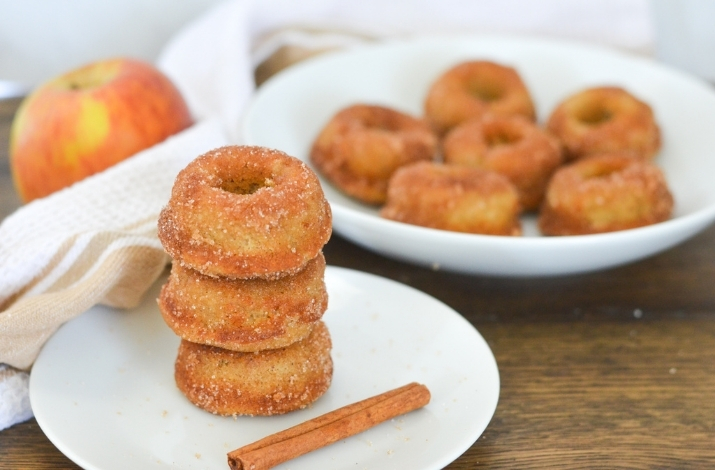
Credit: @cutenketo
Recipe makes 12 mini donuts.
Ingredients:
Dry Ingredients:
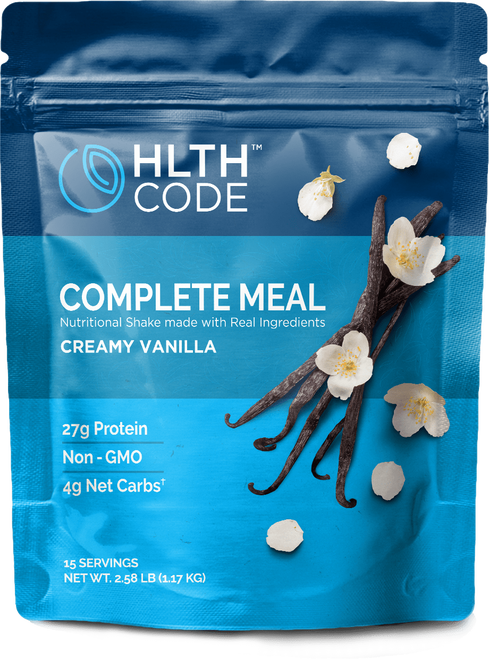
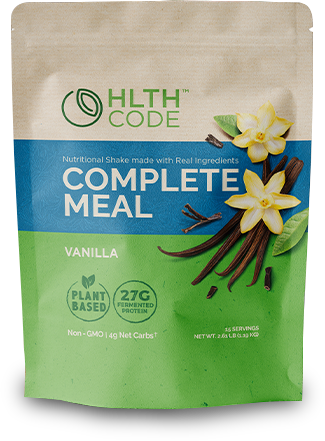
2 Scoops HLTH Code Creamy Vanilla
1/4 cup coconut flour
4 tbsp Golden Monkfruit (or brown sugar-free sweetener of choice)
1/2 tsp baking powder
1 tsp apple pie spice
Wet ingredients:
3 tbsp melted butter
3 tbsp steeped apple cinnamon herbal tea
2 eggs
Topping: (optional)
2 tbsp melted butter
1 tsp cinnamon
1 tbsp classic monkfruit sweetener
1 tbsp golden monkfruit sweetener
Instructions
Steep 1/2 cup water with 2 apple cinnamon tea bags for a few hours in the refrigerator beforehand to get a strong apple flavor.
Preheat oven to 350 F and spray plenty of cooking oil to pan.
Mix dry ingredients in a medium sized bowl and whisk together until well mixed.
Mix wet ingredients by melting butter first, add in cold steeped tea and eggs last and whisk together until well mixed.
Add wet ingredients to the dry ingredients bowl and stir together until batter is formed.
Use a piping bag (or a sandwich size ziploc bag, and cut a small piece from the corner) to pour the batter into the mini donut pan perfectly.
Fill about 3/4 full. Donuts will rise
Bake for 12 minutes, take out and let cool for a few minutes.
Take a mini spatula to get the corners to detach from the pan in order to remove donuts in one piece and place on a cooling rack.
Make topping in two small bowls one, with 2 tbsp melted butter and the other with mixed cinnamon, and monkfruit sweeteners.
To apply topping, brush the donuts with butter first and then sprinkle on cinnamon/sweetener mixture with a spoon.
Nutritional breakdown per donut without toppings (recipe makes 12 mini donuts)
80 Calories
4g Protein
6g Fat
4g Protein
6g Fat
2g Fiber
3g Total Carbs
1g NET Carbs
1g NET Carbs

Most Popular