Beef Souvlaki
Recipe makes 4 servings
Ingredients:
1 1/2 lb (680g) beef tenderloin or top sirloin, cut into 1½-inch chunks
Marinade
5 Tbsp (68ml) olive oil, divided
2 (4g each) garlic cloves, crushed
1 medium onion (110g), chopped
1 tsp (1g) dried oregano
1 Tbsp (16g) mustard
1/2 tsp red pepper flakes or to taste
1 medium lemon (58g), zested and juiced
salt and freshly grated pepper
To assemble
1 medium red bell pepper (119g), seeded, cut into 1½ -inch pieces
1 medium red onion (110g), cut into 1½ -inch pieces
1 green bell pepper (119g), seeded, cut into 1½ -inch pieces
4 wooden or metal skewers
Instructions:
Add beef, three tablespoons olive oil, garlic, onion, oregano, mustard, red pepper flakes, and lemon zest juice in a large zip-lock bag; season with salt and pepper to taste and shake the bag to combine the ingredients. Refrigerate for 2 to 3 hours or, if possible, overnight.
If using wooden skewers, soak them in water for at least 30 minutes before grilling to prevent burning.
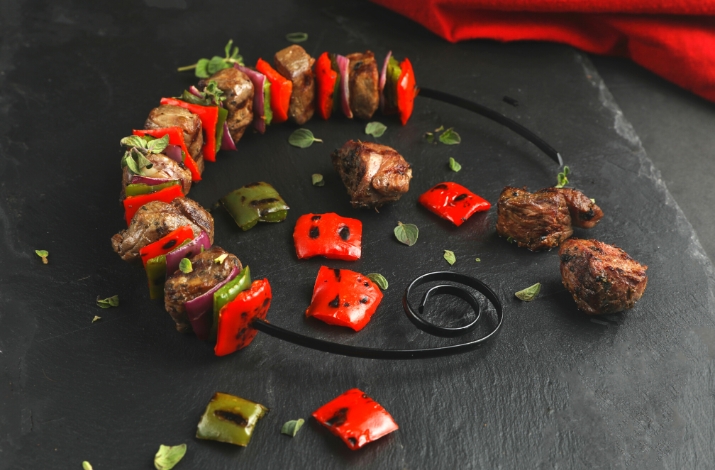
Thread the marinated beef onto the skewers, alternating with onions and red and green peppers, and brush liberally with the marinade.
Heat a large grill pan (preferably cast iron) over high heat and grill the souvlaki skewers for about 2 to 3 minutes per side or a total of 8 to 10 minutes, until fully cooked. Brush with the remaining two tablespoons of olive oil during the process.
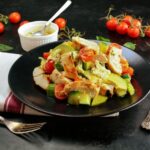
Serve the souvlaki with salad and dips of choice.
Nutritional breakdown per serving (the recipe makes 4 servings)
550 Calories
31.7g Protein
44.1g Fat
1.5g Fiber
5.7g Total Carbs
4.1g NET Carbs


Most Popular