Cardamom Buns

The recipe makes 8 servings.
Ingredients:
For the Dough
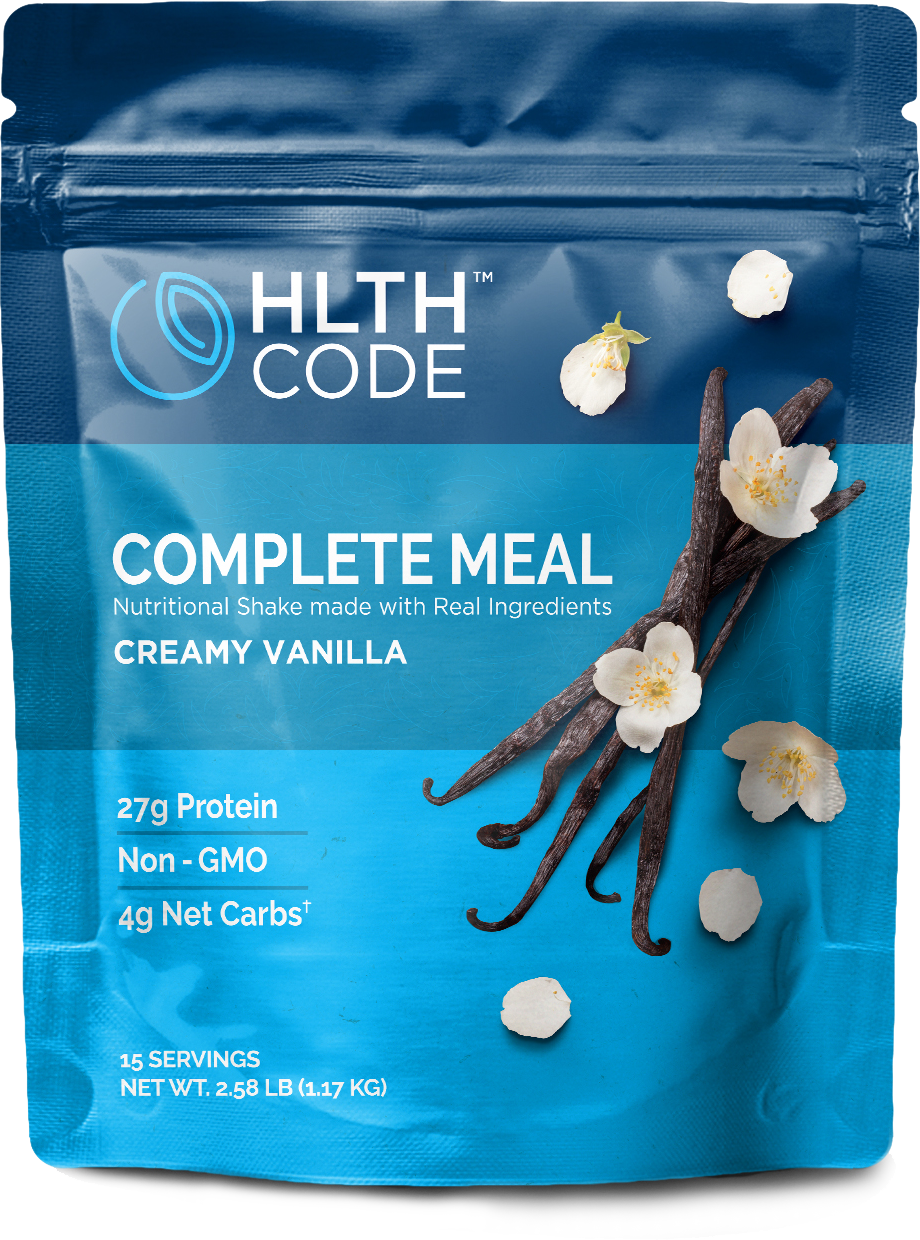
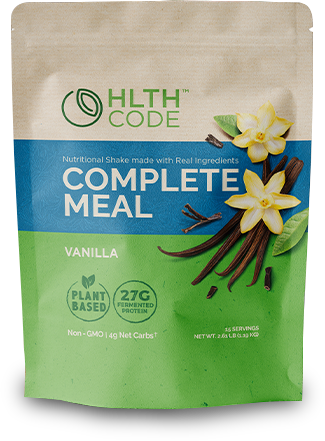
4 scoops HLTH Code Vanilla (160 g)
1½ cups almond flour (150 g)
2 Tbsp coconut flour (15 g)
1½ tsp baking powder
¼ tsp salt
2 large eggs
3 Tbsp unsalted butter, melted (42 g)
3 Tbsp heavy cream (45 ml)
2 Tbsp allulose sweetener
1 tsp ground cardamom
For the Cardamom Filling
3 Tbsp unsalted butter, softened (42 g)
2 Tbsp allulose sweetener
2 tsp ground cardamom
¼ tsp ground cinnamon
Pinch of salt
To Glaze
1 Tbsp heavy cream (15 ml)
1 tsp vanilla extract
Instructions:
Preheat the oven to 350°F (175°C) and line a baking tray with parchment.
Combine the HLTH Code Vanilla, almond flour, coconut flour, baking powder, salt, sweetener, and cardamom in a large bowl.
Add the eggs, melted butter, and heavy cream. Mix until a soft, cohesive dough forms. Let the dough rest for 3–5 minutes.
Place the dough between two sheets of parchment paper. Roll into a rectangle approximately 10 × 8 inches (25 × 20 cm).
Remove the top sheet of parchment.
Mix the softened butter, sweetener, cardamom, cinnamon, and salt into a smooth paste.
Spread evenly over the dough.
Roll the dough lengthwise and cut into 8 pieces. Place on the prepared baking tray.
Bake for 18–20 minutes, until lightly golden and set.
Allow the buns to cool for 5–10 minutes.
Whisk the heavy cream and vanilla lightly to create a pourable glaze and drizzle over the buns before serving.
Nutritional breakdown per serving. Recipe makes 8 serving
285 Calories
11g Protein
23g Fat
3g Fiber
7g Total Carbs
4g NET Carbs

Most Popular