Chocolate Crêpes

The recipe makes 4 servings.
Ingredients:
For the Chocolate Crêpes
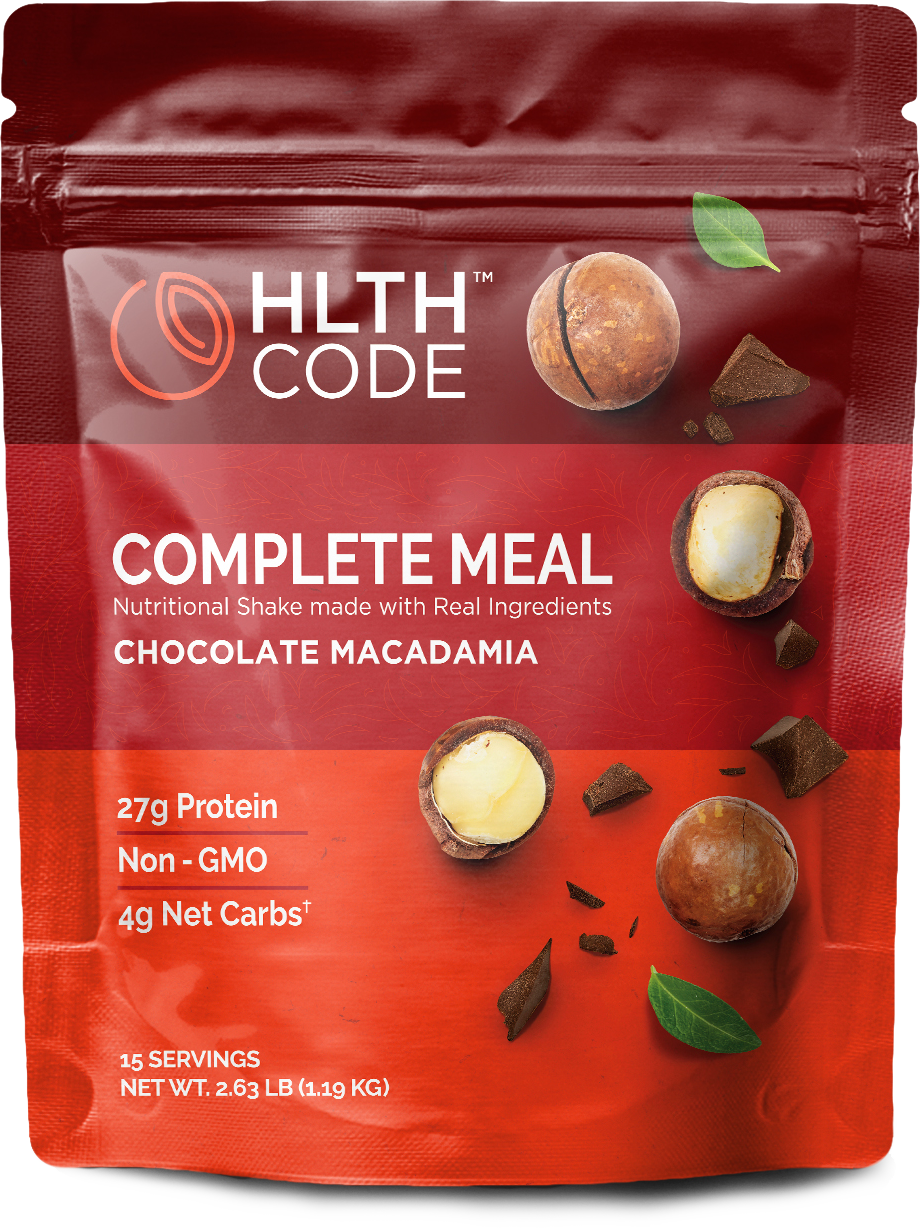
2 scoops HLTH Code Chocolate
3 medium eggs
¾ cup unsweetened almond milk (180 ml)
¼ cup almond flour (25 g)
1 Tbsp melted butter or coconut oil (15 ml)
Pinch of salt
For the Vanilla Cream Filling
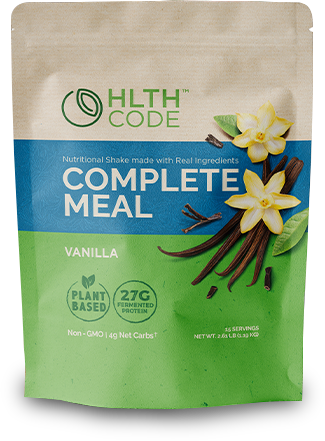
2 scoops HLTH Code Vanilla
4 oz cream cheese, softened (115 g)
¾ cup heavy cream (180 ml)
Optional, to serve: Fresh berries
Instructions:
In a blender or mixing bowl combine the eggs, almond milk, almond flour, HLTH Code Chocolate, butter, and salt.
Blend or whisk until completely smooth and let the batter rest 5 minutes so the flour hydrates.
Heat a lightly greased nonstick skillet over medium heat.
Pour about ¼ cup batter into the pan and swirl to form a thin crêpe.
Cook for about 1–2 minutes, until set, then flip and cook another 30–45 seconds.
Transfer to a plate and repeat with the remaining batter.
Next, beat the cream cheese with the HLTH Code Vanilla until smooth, to make the filling.
Gradually pour in the heavy cream while whipping until a light, fluffy cream forms.
Spread a generous layer of vanilla cream along the center of each crêpe.
Roll tightly into cylinders, or fold gently and arrange on a plate.
Serve chilled or at room temperature with a few fresh berries.
Nutritional breakdown per serving. Recipe makes 4 servings
390 Calories
20g Protein
30g Fat
4g Fiber
8g Total Carbs
4g NET Carbs


Most Popular