Chocolate Mint Mousse Shake

The recipe makes 2 servings.
Ingredients:
2 cups unsweetened almond milk
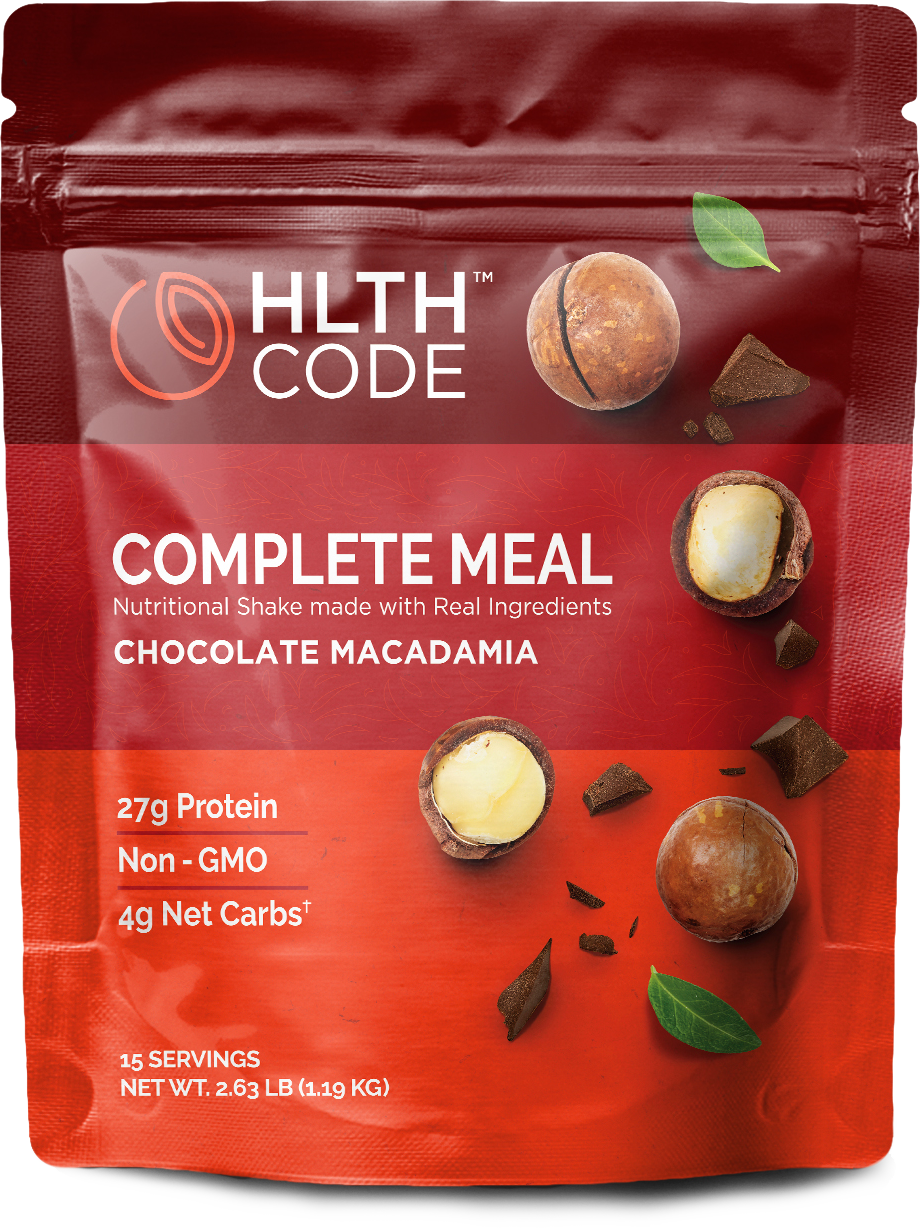
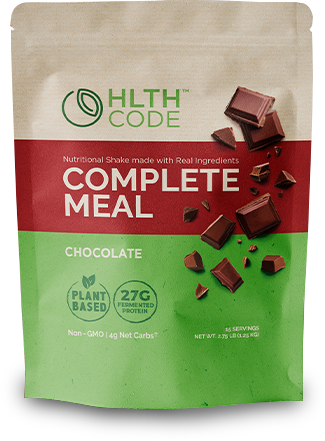
2 scoops HLTH Code Chocolate
¼ cup unsweetened cocoa powder
½ cup heavy cream (for whipping)
2 teaspoons vanilla extract
½ teaspoon peppermint extract
1 teaspoon low-carb sweetener (such as stevia or monk fruit)
For the topping:
¼ cup unsweetened almond milk
1 teaspoon vanilla extract
1 teaspoon low-carb sweetener
For garnish:
1 Tablespoon cacao nibs (for topping)
Instructions:
In a mixing bowl, whip the heavy cream until soft peaks form, creating a light and mousse-like texture.
In a blender, combine the unsweetened almond milk, HLTH Code chocolate powder, cocoa powder, vanilla extract, peppermint extract, and sweetener. Blend until smooth and creamy.
Add the whipped heavy cream into the blender with the base and pulse to combine. This will make the shake lighter and frothy.
Using a milk frother or small blender, froth the ¼ cup almond milk with vanilla extract and sweetener (if desired) until light and airy.
Pour the shake into glasses, leaving room for the topping.
Spoon or pour the frothy almond milk on top of the shake for a creamy, cloud-like layer.
Sprinkle with cacao nibs for a crunchy finish.
Nutritional breakdown per serving. Recipe makes 2 servings.
535 Calories
20g Protein
45.5g Fat
9g Fiber
22g Total Carbs
9g NET Carbs

Most Popular