Four Seed Protein Bread
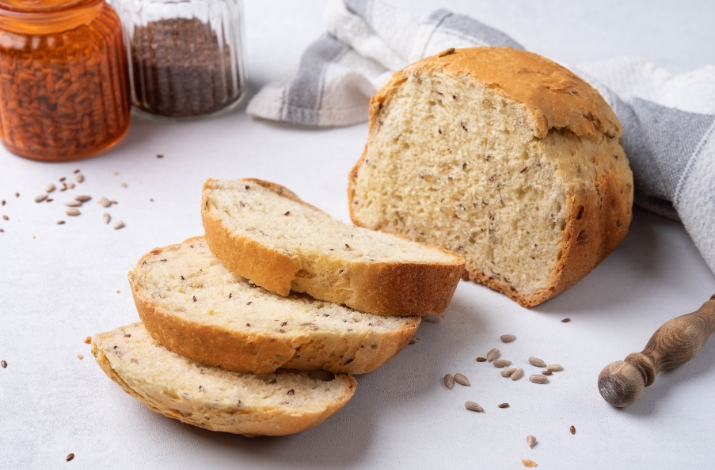
Recipes makes 7 slices.
Ingredients:
1 cup super fine blanched almond flour
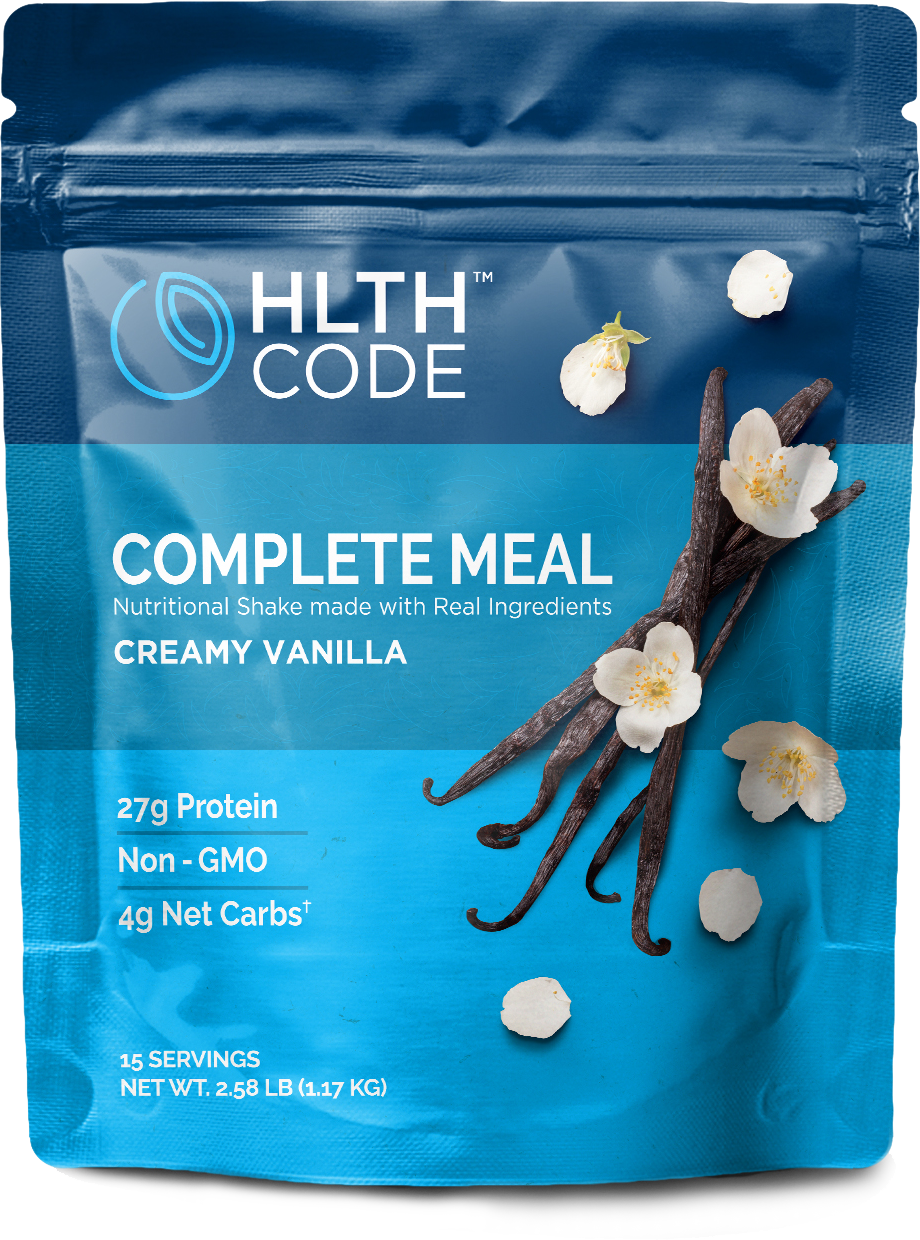
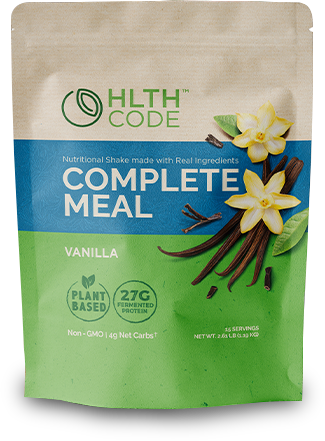
2 scoops HLTH Code Vanilla
¼ cup coconut flour
2 Tbsp flax seeds
2 Tbsp sunflower seeds
1 Tbsp chia seeds
2 Tbsp pumpkin seeds
1 tsp baking powder
½ tsp baking soda
½ tsp salt
5 large eggs
¼ cup unsweetened almond milk
¼ cup Greek yogurt
2 Tbsp olive oil (or melted coconut oil)
1 Tbsp apple cider vinegar
Optional: 1 Tbsp of your preferred sweetener (if you prefer a slightly sweeter bread)
Instructions:
Preheat your oven to 350°F (175°C). Line a loaf pan with parchment paper or grease it lightly.
In a large bowl, whisk together the almond flour, HLTH Code Vanilla, coconut flour, flax seeds meal, sunflower seeds, chia seeds, pumpkin seeds, baking powder, baking soda, and salt.
In a separate bowl, whisk together the eggs, almond milk, Greek yogurt, olive oil, and apple cider vinegar until smooth. If you’re using a sweetener, mix it in at this stage.
Gradually add the wet ingredients to the dry ingredients, stirring until just combined. The batter should be thick but still pourable.
Pour the batter into the prepared loaf pan and smooth the top with a spatula.
Bake for 40-45 minutes, or until a toothpick inserted into the center comes out clean. The top should be golden brown.
Allow the bread to cool in the pan for about 10 minutes, then transfer it to a wire rack to cool completely before slicing.
Nutritional breakdown (Recipes makes 7 slices.)
305 Calories
14.8g Protein
23.7g Fat
5.8g Fiber
10.2g Total Carbs
4.4g NET Carbs

Most Popular