Lavender Lemon Scones

The recipe makes 6 servings.
Ingredients:
Scones
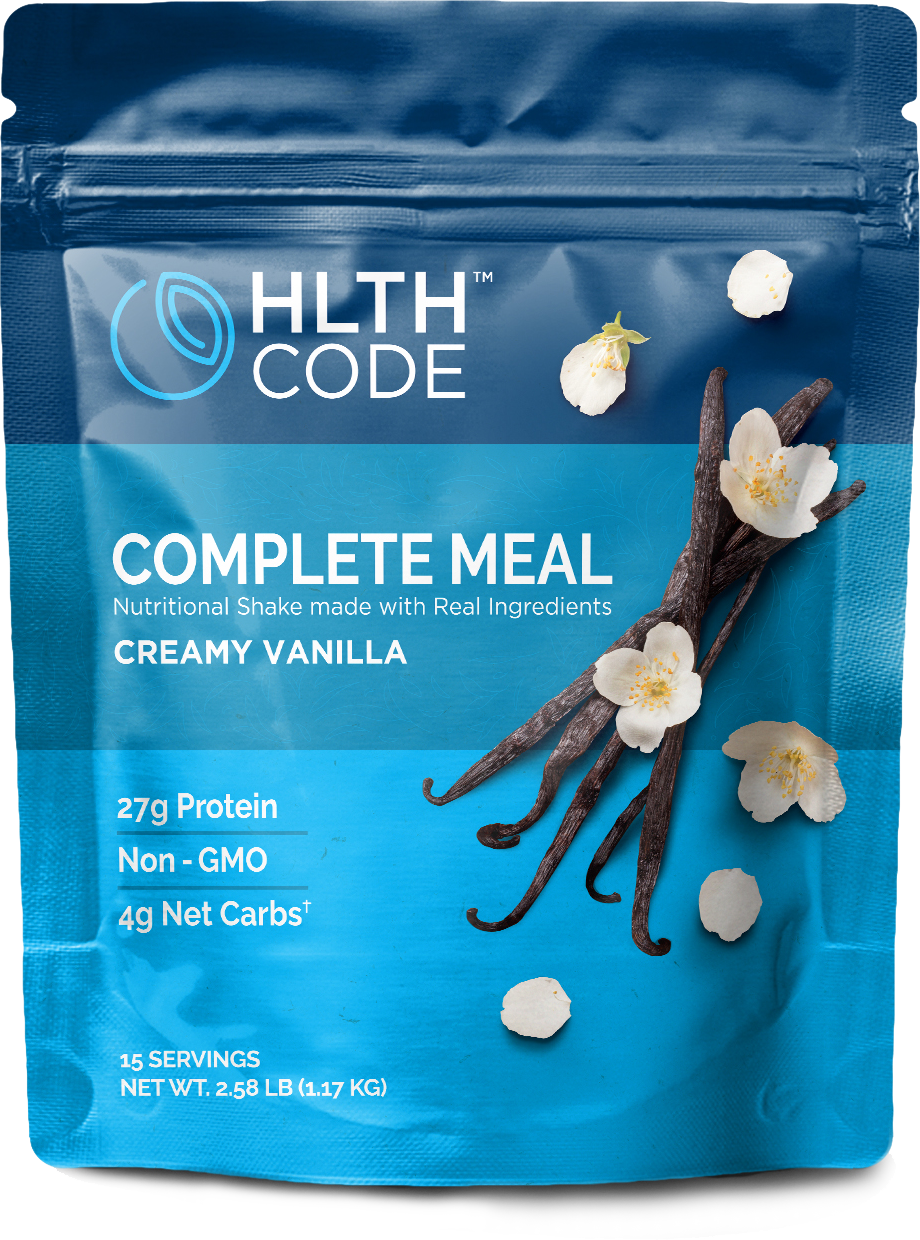
2 scoops HLTH Code Vanilla
1½ cups almond flour (150 g)
2 Tbsp coconut flour (15 g)
1 tsp baking powder
¼ tsp salt
¼ cup cold butter, cubed (60 g)
2 medium eggs
⅓ cup heavy cream (80 ml)
Zest of 1 lemon
1 Tbsp lemon juice (15 ml)
½–1 tsp dried culinary lavender, finely crushed
1–2 Tbsp monk fruit sweetener
Vanilla Lemon Cream
½ cup heavy cream (120 ml)
1 scoop HLTH Code Vanilla
2 Tbsp lemon juice
Instructions:
Preheat the oven to 350°F (175°C) and line a baking tray.
In a bowl, mix the almond flour, coconut flour, HLTH Code Vanilla, baking powder, salt, and sweetener.
Rub in the cold butter until crumbly.
Whisk the eggs, heavy cream, lemon zest, and lemon juice.
Stir into the dry mixture.
Add the crushed lavender and mix gently to form a soft dough.
Form the dough into a round disk (about 1 inch / 2.5 cm thick). Cut into 6 wedges and place on the tray.
Bake for 15-20 minutes until lightly golden.
Whip the heavy cream with HLTH Code Vanilla to make the glaze.
Serve the scones warm topped with vanilla cream.
Nutritional breakdown per serving. Recipe makes 6 servings
340 Calories
12g Protein
28g Fat
3g Fiber
7g Total Carbs
4g NET Carbs

Most Popular