Long-Term Storage: Keeping Food Safe and Fresh

Understanding the Importance of Long-Term Food Storage
In an era marked by unpredictable global events, ensuring a reliable food supply has become more crucial than ever. Traditional emergency food storage often emphasizes high-carbohydrate staples. While these items offer caloric density, they may not align with modern nutritional philosophies that prioritize metabolic health. Enter HLTH Code approach: a focus on nutrient-dense, low-carb options that support overall well-being during emergencies.
Key Principles for Effective Long-Term Food Storage
Effective long-term food storage isn’t just about stockpiling calories; it’s about ensuring nutritional adequacy and convenience. Key principles include:
- Nutrient Density: Prioritize foods rich in essential nutrients over empty calories.
- Shelf Stability: Opt for items with extended shelf lives without compromising nutritional value.
- Ease of Preparation: Choose foods that require minimal preparation, ideal for emergency situations.
- Alignment with Health Goals: Select foods that support metabolic health, avoiding excessive sugars and refined carbohydrates.
Why HLTH Code Is the Right Choice for You?
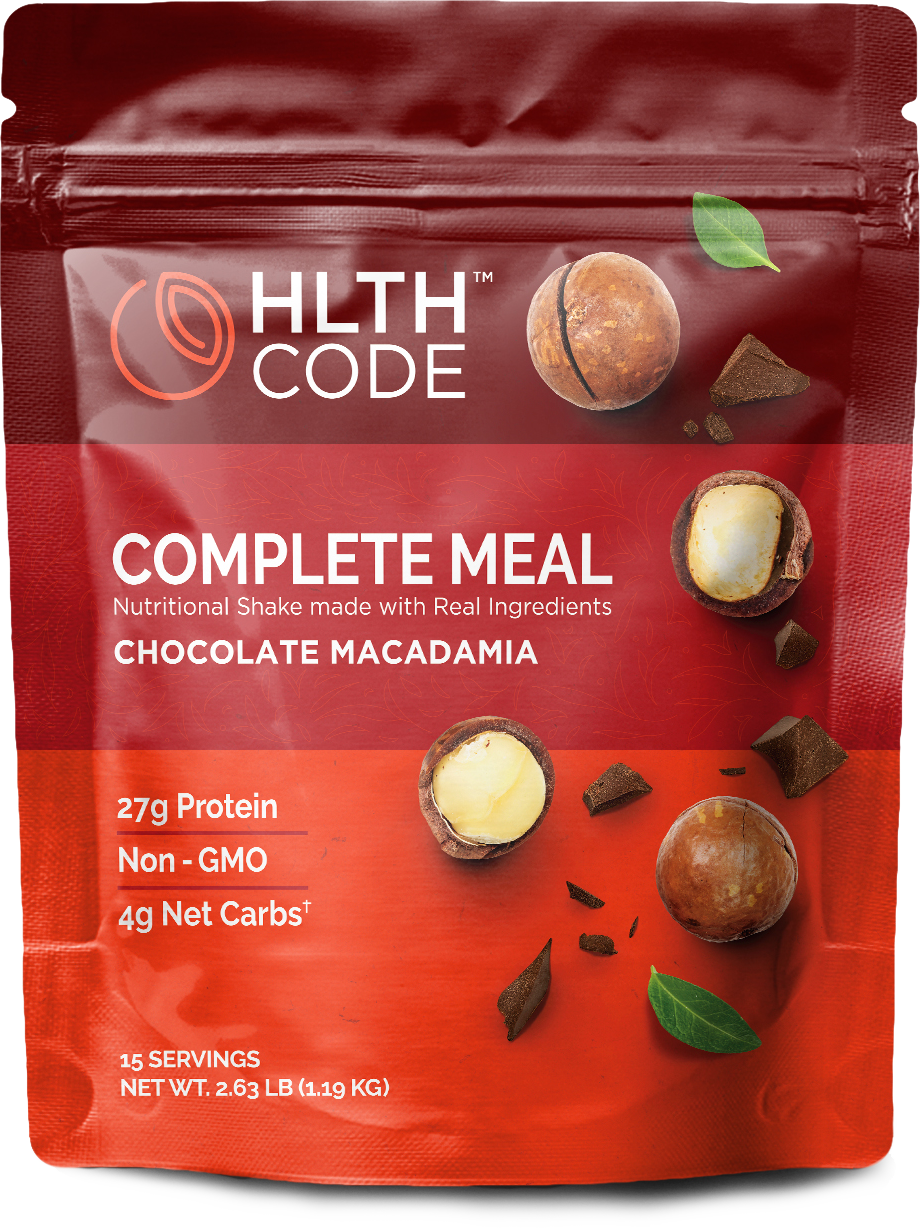
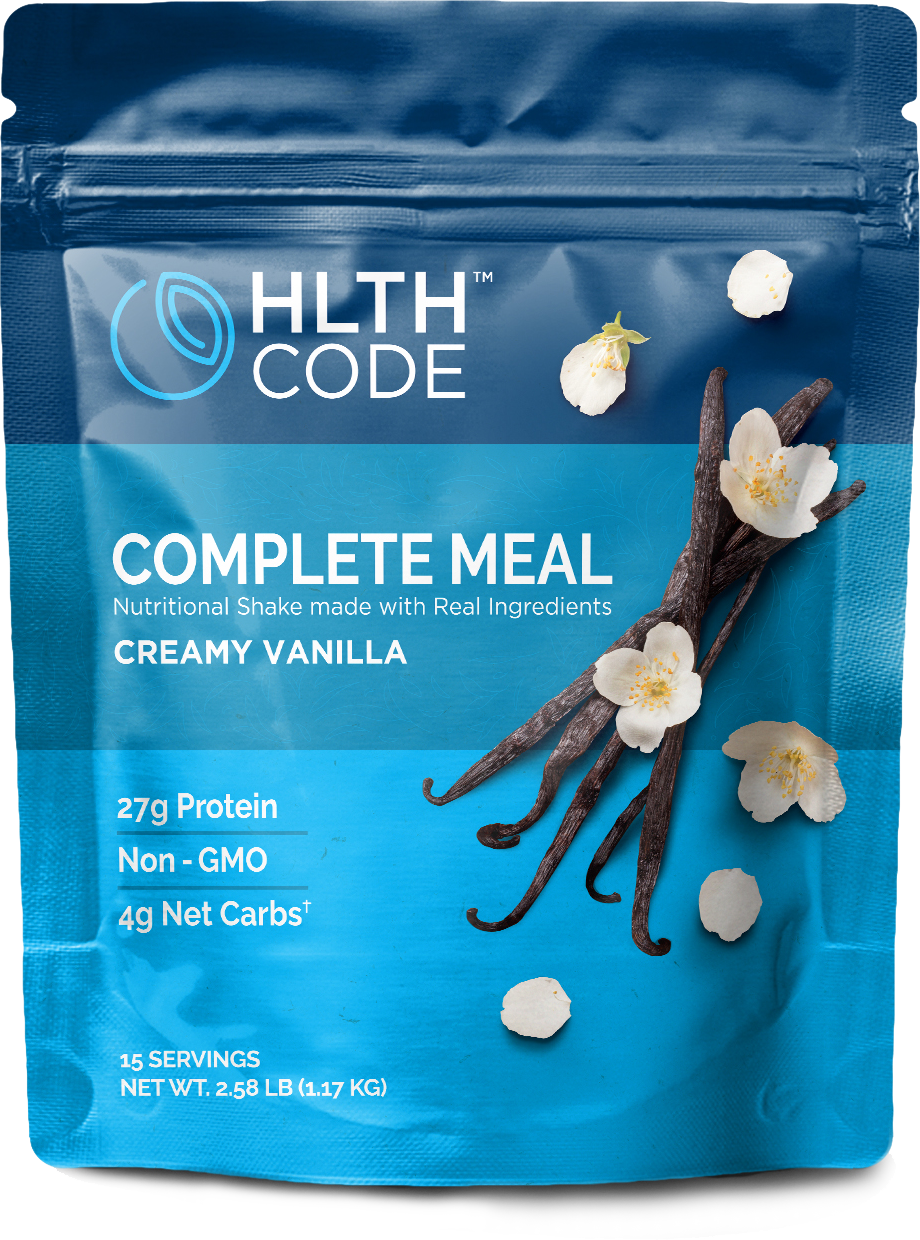
HLTH Code Emergency Food Storage solutions are crafted with these principles in mind. Their offerings are:
- Low-Carb & Nutrient-Rich: Formulated to support metabolic health, avoiding high-carb fillers.
- Long Shelf Life: Packaged in air-, vapor-, and water-tight #10 cans, ensuring freshness for up to 20 years.
- Convenient: Ready in seconds, just add water, no heating required.
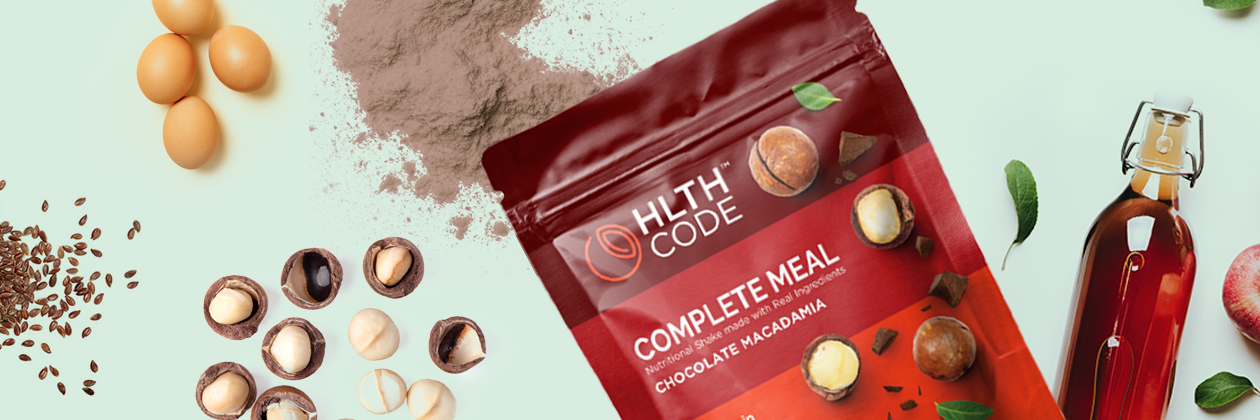
- Comprehensive Nutrition: Each serving provides a balanced mix of proteins, healthy fats, fiber, vitamins, minerals, digestive enzymes, probiotics, collagen, and even apple cider vinegar.
Top Nutrient-Rich Foods Ideal for Long-Term Storage
High-Carbohydrate Foods
While traditional high-carb foods like rice and beans are common in food storage, they may not align with low-carb dietary philosophies. HLTH Code’s approach minimizes reliance on such staples, focusing instead on nutrient-dense alternatives that support metabolic health.
Healthy Fats
Incorporating healthy fats is vital for energy and nutrient absorption:
- Grass-Fed Ghee: Clarified butter rich in fat-soluble vitamins and butyrate, a short-chain fatty acid beneficial for gut health.
- Coconut Oil: Provides medium-chain triglycerides (MCTs), which are easily digestible fats that can be used for quick energy.
- Olive Oil: Rich in monounsaturated fats, beneficial for heart health.
- Flaxseed: A source of omega-3 fatty acids and fiber.
- Cocoa Butter: Contains stearic acid, a saturated fat that does not raise cholesterol levels.
Vitamin-Rich Foods
Ensuring adequate vitamin intake is vital, especially during emergencies. HLTH Code’s Long-term food are fortified with a comprehensive blend of vitamins and minerals, including:
- Vitamin D: Supports bone health and immune function.
- Vitamin B12: Essential for nerve function and energy metabolism.
- Magnesium and Potassium: Crucial for muscle function and cardiovascular health.
Best Practices for Storing Food Long-Term
To maximize the efficacy of your food storage:
- Store in Cool, Dry Places: Maintain temperatures below 75°F to prolong shelf life.
- Use Airtight Containers: Prevent moisture and air exposure to preserve freshness.
- Rotate Stock: Regularly use and replace stored items to ensure optimal quality.
- Label Clearly: Mark containers with dates and contents for easy tracking.
Conclusion
Long-term food storage is more than an emergency precaution, it’s a commitment to health and preparedness. By choosing nutrient-dense, low-carb options like those offered by HLTH Code, you ensure that you’re not only ready for unforeseen events, but also supporting your body’s well-being. Embrace a storage strategy that prioritizes quality, nutrition, and peace of mind.

Most Popular