Sweet Chamomile Hand Pies

The recipe makes 6 servings.
Ingredients:
For the Almond Pastry
1½ cups almond flour (150 g)
2 Tbsp coconut flour (15 g)
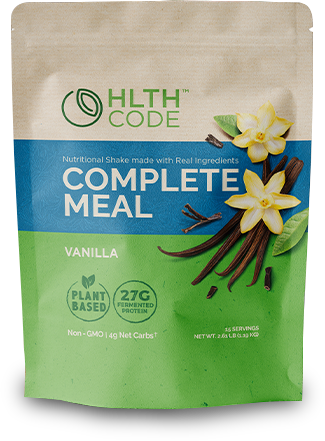
1 scoop HLTH Code Vanilla
¼ tsp salt
1 medium egg
¼ cup cold butter, cubed (60 g)
2–3 Tbsp cold water (30–45 ml)
For the Chamomile Infusion
½ cup hot water (120 ml)
2 chamomile tea bags (or 1 tbsp dried chamomile)
For the Filling
4 oz cream cheese, softened (115 g)
2 Tbsp heavy cream (30 ml)
1–2 Tbsp allulose or monk fruit sweetener (to desired sweetness)
2 Tbsp cooled chamomile infusion
For the Vanilla Cream Topping
¾ cup heavy cream (180 ml)
2 scoops HLTH Code Vanilla
To Decorate Finish
Dried chamomile flowers (food-grade)
Instructions:
Steep the chamomile in hot water for 5–7 minutes.
Cool completely.
In a bowl, combine the almond flour, coconut flour, HLTH Code Vanilla, and salt.
Cut in the cold butter until crumbly.
Add the egg and cold water to form a soft dough, and chill for 10–15 minutes.
Mix the cream cheese, heavy cream, sweetener, and 2 Tbsp chamomile infusion until smooth.
Preheat the oven to 350°F (175°C).
Roll the dough between two pieces of parchment paper and cut into circles.
Place the filling in the center, fold over, and seal edges gently.
Bake for about 18–20 minutes until lightly golden and cool slightly.
Whip the heavy cream with HLTH Code Vanilla until soft peaks form.
Serve the hand pies warm with a spoon of vanilla cream on top.
Finish each with a single dried chamomile flower.
Nutritional breakdown per serving. Recipe makes 6 servings
340 Calories
12g Protein
28g Fat
3g Fiber
7g Total Carbs
4g NET Carbs


Most Popular